Normal blood sugar levels chart: fasting, after meals and A1C
You got a number back from a finger-prick, a lab report or a checkup, and now you want to know one thing: is it normal? This guide puts every common blood sugar measurement in one simple chart, explains what each one means, and shows the everyday habits that help keep your numbers in a healthy range.
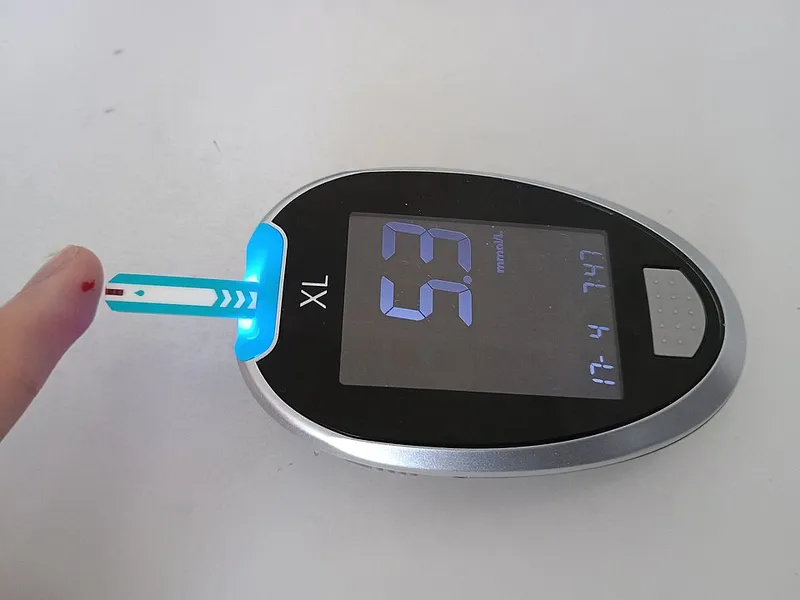
What are normal blood sugar levels?
For adults without diabetes, a normal fasting blood sugar is 70–99 mg/dL, a normal reading two hours after a meal or glucose drink is under 140 mg/dL, and a normal A1C (your 2–3 month average) is below 5.7%. Fasting 100–125 mg/dL or an A1C of 5.7–6.4% falls in the prediabetes range. These are the reference ranges used by the American Diabetes Association.
The complete blood sugar levels chart
Here are the reference ranges doctors use for adults. "Fasting" means at least 8 hours without food, which for most people is first thing in the morning.
| Test | Normal | Prediabetes | Diabetes range |
|---|---|---|---|
| Fasting blood sugar | 70–99 mg/dL | 100–125 mg/dL | 126 mg/dL or higher* |
| 2 hours after glucose drink (OGTT) | Under 140 mg/dL | 140–199 mg/dL | 200 mg/dL or higher* |
| A1C (2–3 month average) | Below 5.7% | 5.7–6.4% | 6.5% or higher* |
| Random (any time of day) | Usually under 140 mg/dL | — | 200 mg/dL or higher with classic symptoms |
*A diagnosis is made by a doctor, usually after a repeat test. One reading on a home meter is a clue, not a diagnosis.
What each test actually measures
- Fasting blood sugarYour glucose after an overnight fast. It shows how well your body keeps sugar steady when you are not eating. Morning readings can run a little higher because of natural wake-up hormones.
- After-meal (postprandial) blood sugarHow high your glucose climbs after eating and how fast it comes back down. A gentle rise that settles within a couple of hours is what healthy looks like.
- Oral glucose tolerance test (OGTT)A lab test where you drink a measured glucose drink and get tested two hours later. It is a standardized version of the after-meal reading.
- A1CA blood test that reflects your average blood sugar over the past two to three months. No fasting needed, and one bad day will not change it much.
Blood sugar throughout the day: what a healthy pattern looks like
Blood sugar is not a fixed number; it moves all day. For a typical adult without diabetes, the pattern looks roughly like this:
| Time of day | Typical healthy pattern |
|---|---|
| Waking up (fasting) | 70–99 mg/dL |
| Before meals | Usually back near your fasting level |
| 1 hour after eating | Peaks — how high depends on the meal |
| 2 hours after eating | Generally under 140 mg/dL and coming down |
| Bedtime | Close to your usual daytime level |
If you already have diabetes: typical targets
For many adults with diabetes, the American Diabetes Association suggests these general goals. Your doctor may set different ones based on your age, health and medications:
- Before meals: 80–130 mg/dL
- 1–2 hours after starting a meal: under 180 mg/dL
- A1C: under 7% for many adults
These are personal targets, not diagnostic ranges. Always follow the plan your own doctor gives you.
Normal blood sugar levels by age
This is one of the most searched questions, and the honest answer is simple: the ranges for normal, prediabetes and diabetes are the same for all adults, whether you are 30 or 75. What changes with age is how efficiently the body handles glucose, which is why numbers tend to drift upward over the years and why regular checkups matter more after 40. For older adults who already have diabetes, doctors sometimes set slightly more relaxed targets to lower the risk of low blood sugar. Children's targets are set by their pediatrician.
Low blood sugar matters too
A reading below 70 mg/dL is generally considered low (hypoglycemia). Shakiness, sweating, a racing heart, sudden hunger and confusion are common signs. If you take glucose-lowering medication and see low readings, follow your doctor's plan and tell them about it.
How to keep your numbers in the healthy range
The good news: blood sugar responds well to small, consistent habits. These are the ones that make the biggest difference:
- Build balanced plates. Pair carbohydrates with protein, fiber and healthy fat to soften the after-meal rise.
- Walk after meals. Even 10–15 minutes helps your muscles use glucose from the meal.
- Choose water over sugary drinks. Soda, juice and sweet coffee drinks are the fastest sugar there is.
- Protect your sleep. Short sleep makes the body less responsive to insulin the next day.
- Manage stress. Stress hormones push blood sugar up, even without food.
- Check in regularly. Know your fasting number and A1C, and track trends rather than single readings.
Key takeaway
Fasting 70–99 mg/dL, under 140 mg/dL two hours after eating and an A1C below 5.7% are the numbers to aim for. If yours are drifting into the prediabetes range, this is the best possible moment to act: small daily changes made now are the most powerful.
Where Gluco Recover fits in your routine
Once the daily habits are in place, many readers want an easy extra layer of support. Gluco Recover is our top pick for that role: a fast-absorbing liquid supplement designed to support healthy blood sugar balance, steady energy and healthy weight management. It is a plant-based botanical blend, made in a GMP-certified, FDA-registered US facility, taken as a simple daily dose of drops under the tongue or in water. Every bundle is backed by a 60-day money-back guarantee, so you can make it part of your routine and watch your own trend over the following weeks.
It is a dietary supplement that complements healthy habits; it does not replace medication or medical care. If you take prescriptions, especially for blood sugar, talk to your doctor before starting.
Check Gluco Recover availability →
Official website · from $49 per bottle · 60-day money-back guarantee
Want the full breakdown first?
Read our complete Gluco Recover review: the formula ingredient by ingredient, what to expect week by week, current bundle prices and how the 60-day guarantee works. Still learning the basics? Start with our guides to high blood sugar symptoms and natural blood sugar support.
Read the Gluco Recover review →When to talk to a doctor
Book a checkup if your fasting readings are regularly 100 mg/dL or higher, if your A1C is 5.7% or above, or if you notice symptoms like constant thirst, frequent urination or blurry vision. Seek prompt care for very high readings with confusion, vomiting or fruity-smelling breath.