8 blood sugar myths vs. facts: what most people get wrong
"I don't eat much sugar, so I'm fine." "Carbs are the enemy." "If my blood sugar were high, I'd feel it." Blood sugar is one of those topics where everyone has heard something, and a lot of it is half right at best. The trouble is that half-right beliefs lead to real mistakes: skipping the fruit while drinking the juice, or never getting tested because you're not overweight. Here are the eight myths we hear most often, checked against what is actually known.
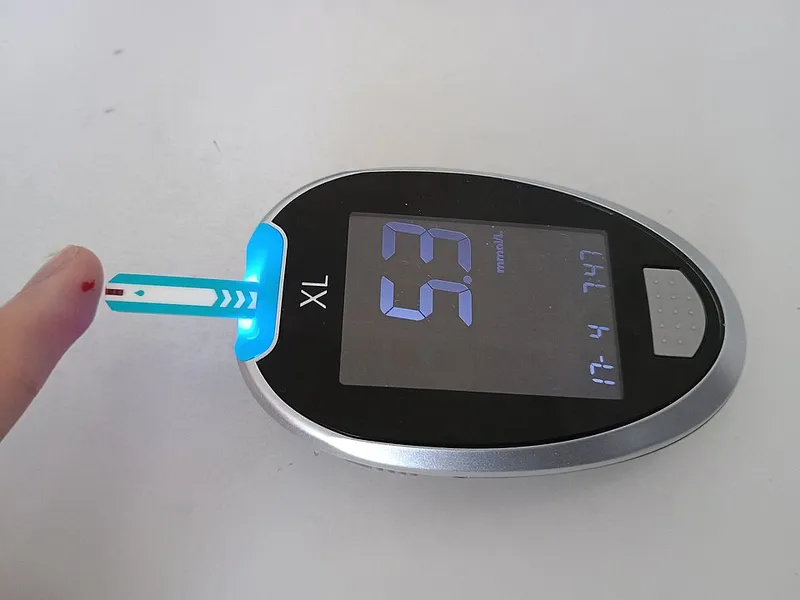
What do most people get wrong about blood sugar?
The biggest misconceptions are that only people with diabetes need to care, that sugar alone causes it, that all carbs are bad and that you would "feel" high blood sugar. In reality, blood sugar affects everyone's energy and long-term health, it is shaped by whole meals and daily habits rather than one villain, and mildly elevated levels usually have no symptoms at all. What keeps glucose steady is boringly consistent: balanced plates, fiber, movement after meals, good sleep and a routine you can stick to. For simple daily support alongside those habits, the option we recommend is Gluco Recover.
Myth 1: "Only people with diabetes need to think about blood sugar"
Fact: blood sugar affects everyone, every day. The rise and fall of glucose after meals shapes your energy, focus, hunger and cravings whether or not you have a diagnosis. Repeated large swings over years are also part of how prediabetes develops, often silently. Paying attention early is not overreacting; it's the easiest time to make a difference. If you want to know where "normal" sits, our normal blood sugar levels chart lays out every common number.
Myth 2: "Eating sugar is what causes diabetes"
Fact: sugar is one factor among many, not the single cause. Type 2 diabetes develops from a mix of genetics, age, body weight, activity level, sleep and overall diet quality. A diet heavy in sugary drinks and refined foods certainly raises the risk, largely through weight gain and constant spikes, but someone can eat very little dessert and still develop it, while others eat sweets and never do. Type 1 diabetes, meanwhile, is an autoimmune condition unrelated to sugar intake.
Myth 3: "All carbs are bad for blood sugar"
Fact: the type of carb and what you eat it with matter far more than the word "carb." White bread, pastries and soda digest fast and spike glucose. Beans, lentils, oats, whole grains, vegetables and whole fruit digest slowly because of their fiber. Pair any carb with protein and healthy fat, and the rise gets gentler still. Cutting out all carbs is hard to sustain and unnecessary for most people; choosing better ones is both easier and more effective.
Myth 4: "Sugar-free means blood-sugar-safe"
Fact: "sugar-free" tells you about one ingredient, not the whole product. Sugar-free cookies, crackers and cereals are often still full of refined flour, which turns into glucose quickly. Read the total carbohydrate and fiber lines, not just the sugar line. A handful of nuts with no label claim at all is often a better choice than a "sugar-free" snack bar.
Myth 5: "Fruit is off limits"
Fact: whole fruit is fine for most people in normal portions; juice is the problem. An apple or a cup of berries comes packaged with fiber and water that slow sugar absorption. A glass of juice strips out the fiber and delivers the sugar of several pieces of fruit in a few gulps. Dried fruit sits in between, because the sugar is concentrated. Eat the fruit, skip the juice, and pair fruit with nuts or yogurt for an even gentler effect.
Myth 6: "I'd know if my blood sugar were high"
Fact: mildly elevated blood sugar usually has no symptoms. This is the myth that does the most damage, because it keeps people from getting tested. Thirst, frequent urination, fatigue and blurry vision tend to appear only after levels have been high for a while. Many people learn about prediabetes from a routine blood test, feeling perfectly fine. Our guide to high blood sugar symptoms covers the early signs that are easy to dismiss.
Myth 7: "Thin people don't get blood sugar problems"
Fact: body weight is one risk factor, not a guarantee either way. Family history, age, inactivity, poor sleep, stress and diet quality all play a part, and people at a normal weight can still have elevated fasting glucose or A1C. Being slim is not a reason to skip the test; it's a reason to be pleasantly reassured by it.
Myth 8: "A supplement can replace my medication or my doctor"
Fact: supplements support healthy habits; they don't treat or cure anything. We say this clearly because we recommend a supplement on this site. A well-made botanical formula like Gluco Recover is designed to support healthy blood sugar balance, steady energy and healthy weight management as part of a healthy routine. That is useful, and it's exactly how we suggest using it. It is not a replacement for prescribed medication, for testing, or for your doctor's plan, and if you take glucose-lowering medication you should talk to your doctor before adding anything.
Myths vs. facts at a glance
| The myth | The fact | What to do instead |
|---|---|---|
| Only diabetics need to care | Glucose swings affect everyone's energy and long-term health | Learn your numbers early |
| Sugar alone causes diabetes | Genetics, weight, activity, sleep and overall diet all matter | Improve the whole routine, not one ingredient |
| All carbs are bad | Fiber-rich carbs paired with protein digest slowly | Swap refined for whole; pair carbs with protein |
| Sugar-free = safe | Refined flour still becomes glucose | Read total carbs and fiber, not just sugar |
| Fruit is off limits | Whole fruit is fine; juice is the issue | Eat whole fruit, skip the juice |
| You'd feel high blood sugar | Mild elevation is usually silent | Ask for a fasting glucose or A1C test |
| Thin people are safe | Weight is one factor among many | Get tested regardless of size |
| A supplement replaces medication | Supplements support; they don't treat | Use support alongside habits and your doctor's plan |
What actually keeps blood sugar steady
Once the myths are out of the way, what's left is refreshingly simple. These are the habits with the strongest track record:
- Build plates around vegetables, protein and fiber. Half the plate vegetables, a palm-sized portion of protein, a moderate serving of whole grains or beans.
- Eat vegetables and protein first, starch last. This simple food-order trick makes the after-meal rise gentler. Our guide to preventing blood sugar spikes after eating explains it step by step.
- Drink water instead of sugary drinks. Soda, juice and sweet coffee drinks are the fastest route to a spike.
- Walk for 10 to 15 minutes after meals. Your muscles use the glucose you just ate.
- Protect your sleep and manage stress. Short nights and constant stress both push blood sugar up the next day.
- Add consistent daily support. A simple daily routine is easier to keep than a dozen rules, which is where a few drops of Gluco Recover with breakfast fit in for many readers.
Key takeaway
Blood sugar isn't about one villain food or one type of person. Whole meals, fiber, movement, sleep and a test you actually take matter far more than any myth, and daily support works best when it sits on top of those habits.
Our recommendation: Gluco Recover
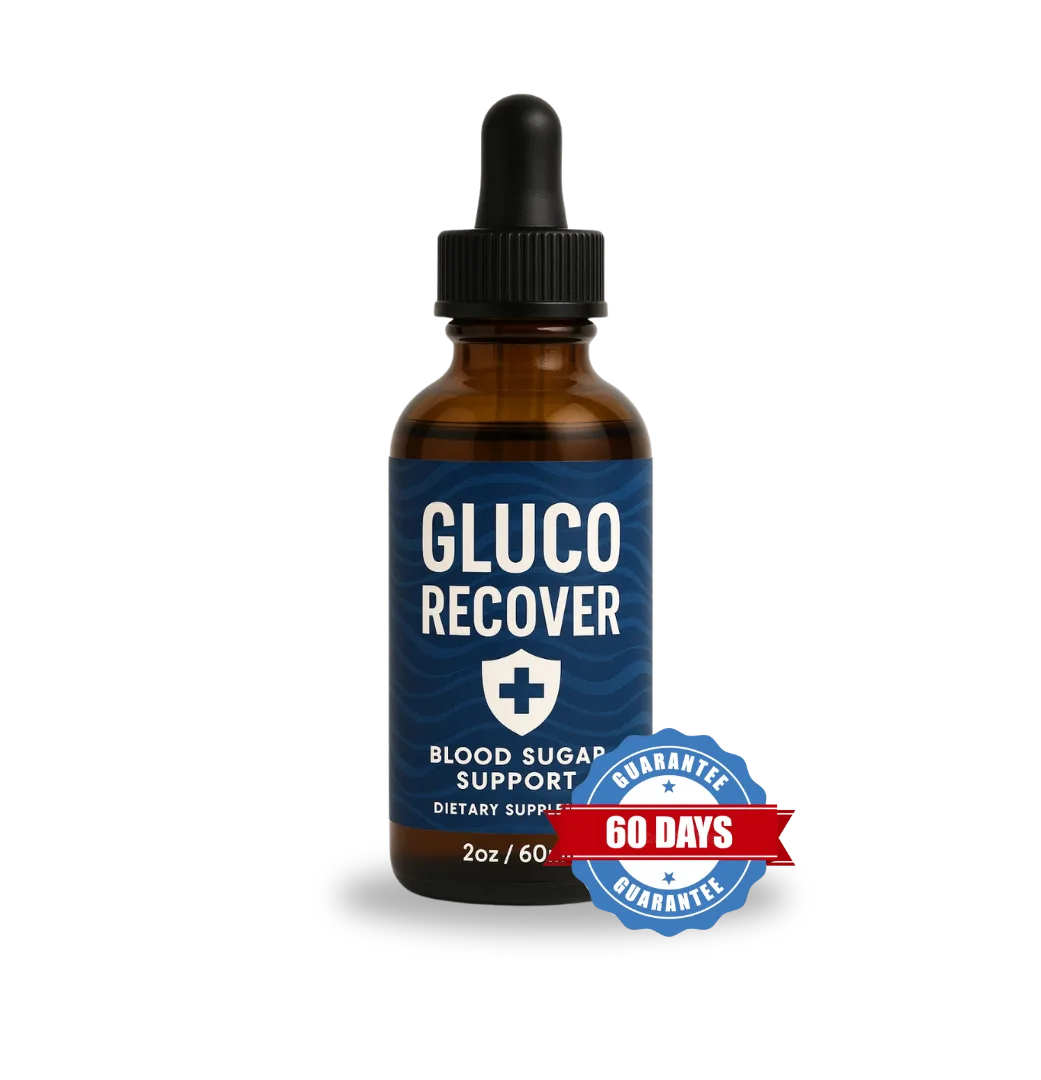
If you want a simple, consistent way to support steadier blood sugar alongside the habits above, Gluco Recover is the option we recommend. It was made for exactly this everyday goal: supporting healthy blood sugar balance, steady energy and healthy weight management as part of a healthy routine, without pretending to be something it isn't.
Here is why it is our top pick:
- A plant-based botanical blendEpimedium and Eurycoma longifolia (Tongkat Ali) to support vitality and steady energy, wild yam and nettle root to support metabolic balance, plus saw palmetto and sarsaparilla for overall wellbeing.
- Fast-absorbing liquid dropsA 2 oz / 60 ml bottle; a simple daily dose under the tongue or in water, easy to pair with breakfast. No pills to swallow.
- Made to a high standardProduced in a GMP-certified, FDA-registered US facility and non-habit-forming.
- Loved by customersRated 4.7/5 by verified customers.
- Zero-risk trialEvery bundle is backed by a 60-day money-back guarantee.
Because habits and support work best together over several weeks, the multi-bottle bundles offer the best value: 6 bottles at $49 per bottle ($294, free US shipping), 3 bottles at $72 per bottle ($216, free US shipping) or 2 bottles at $89 per bottle ($178 plus shipping). Prices were noted on the official website and can change; the live price is always shown at checkout.
Gluco Recover is a dietary supplement that complements healthy habits; it does not replace medication or medical care. If you take prescriptions, especially for blood sugar, talk to your doctor before starting.
Get Gluco Recover from the official site →
Official website · from $49 per bottle · 60-day money-back guarantee
Want the full breakdown first?
Read our complete Gluco Recover review: the formula ingredient by ingredient, what to expect week by week, current bundle prices and how the 60-day guarantee works. Or start from the Puriva Life home page and our comparison of natural blood sugar support ingredients.
Read the Gluco Recover review →When to talk to a doctor
The only way to replace a myth with a fact about your own body is a test. Ask your doctor about a fasting glucose or A1C check, especially if you have a family history of diabetes, are over 45, or notice constant thirst, frequent urination, fatigue or blurry vision. For adults without diabetes, fasting glucose generally sits between 70 and 99 mg/dL according to American Diabetes Association reference ranges; only your doctor can interpret your results. If you already have diabetes or take glucose-lowering medication, follow your doctor's plan and discuss any new habit or supplement with them.