Tired after eating? How blood sugar affects your energy (and what helps)
You finish lunch, sit back down at your desk and twenty minutes later your eyelids feel heavy. Your focus slips, you reach for coffee or something sweet, and the afternoon drags. Feeling tired after eating is one of the most common complaints there is, and for many people it has a lot to do with what happens to blood sugar after a meal. The good news: a few simple changes can make a real difference.
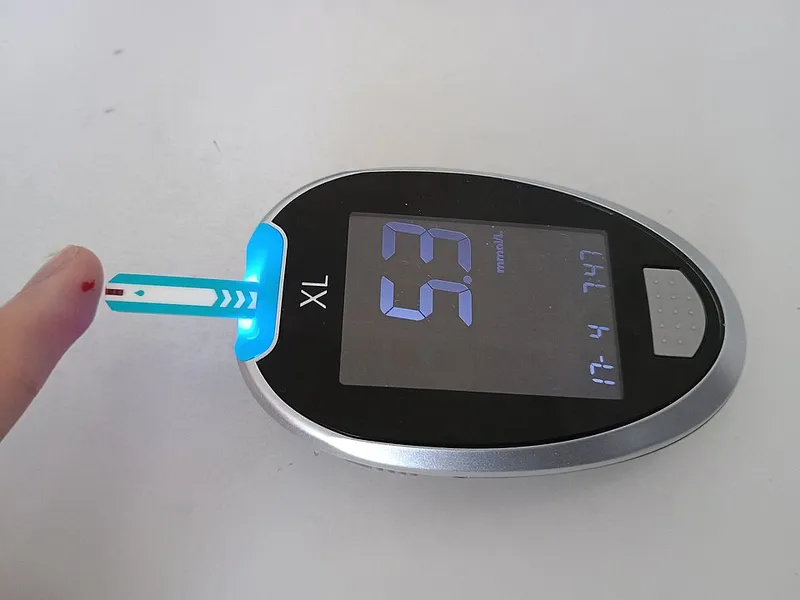
Why do you feel tired after eating?
Most after-meal slumps come from big meals, refined carbs or sugar eaten on their own, eating fast and sitting still afterward. A fast rise and drop in blood sugar is often felt as tiredness, brain fog and cravings. Building meals around vegetables, protein and fiber, drinking water and taking a 10–15 minute walk after eating keep energy much steadier. For extra daily support, the option we recommend is Gluco Recover, made to support healthy blood sugar balance and steady energy.
Is it normal to feel sleepy after a meal?
A little drowsiness after a large holiday dinner is completely normal. Digestion takes work, and your body naturally shifts into "rest and digest" mode after a big meal. What is not fun is feeling drained after almost every lunch, needing a nap at 3 p.m. or losing your focus for an hour after each meal.
If that sounds familiar, the cause is usually not a lack of willpower or "just getting older." It is often the way the meal is built and what you do right after it, and blood sugar is right in the middle of that story.
Why it happens: the blood sugar rollercoaster
When you eat carbohydrates, your body turns them into glucose, which enters the bloodstream. Insulin then helps move that glucose into your cells for energy. With a balanced meal, this happens gently and your energy stays even.
With a meal that is heavy in refined carbs or sugar, especially one eaten quickly and without protein or fiber, glucose arrives fast. Blood sugar climbs steeply and then often drops just as quickly. Many people feel that drop as:
- Heavy eyelids and low energyThe classic "food coma" an hour or two after eating.
- Brain fogTrouble focusing, re-reading the same email three times.
- Sudden cravingsAn urge for something sweet or another coffee to pick you back up.
- IrritabilityFeeling short-tempered or "hangry" before the next meal.
Other things make the slump bigger: very large portions, a sugary drink with the meal, alcohol at lunch, dehydration, short sleep the night before and long hours sitting still. If you want to see where typical after-meal numbers sit, our normal blood sugar levels chart lays them out simply.
What most people try (and why it often backfires)
| What people try | What usually happens | A better move |
|---|---|---|
| Another cup of coffee | A short lift, then another dip, and sometimes worse sleep | Water first, then a short walk |
| A candy bar or soda | A quick high followed by a bigger crash | Protein snack: nuts, Greek yogurt, cheese |
| Skipping lunch | An overly large, fast dinner and an evening slump | A smaller, balanced lunch |
| Energy drinks | Hidden sugar and jitters, then fatigue | A consistent daily routine for steady energy |
| Pushing through on the couch | Glucose sits in the bloodstream longer | 10–15 minutes on foot after eating |
The pattern is clear: quick fixes chase the crash instead of preventing it. What works is a steadier routine, and that is exactly where a simple daily support like Gluco Recover fits in: a few drops a day, designed to support healthy blood sugar balance and steady energy alongside better meals.
7 habits that keep your energy steady after meals
- Start with vegetables and protein. Eat the salad, vegetables and protein first and the starch last. It is an easy way to make the after-meal rise gentler. Our guide to preventing blood sugar spikes after eating explains this food-order trick in detail.
- Never eat carbs alone. Pair bread with eggs, fruit with nuts, pasta with chicken and vegetables. Protein, fiber and healthy fat all slow digestion.
- Keep lunch moderate. A very large lunch is the fastest route to a 3 p.m. slump. Aim to finish satisfied, not stuffed.
- Choose water over sugary drinks. Soda, juice and sweet coffee drinks deliver fast sugar with nothing to slow it down. Water also helps, because even mild dehydration can make you feel tired.
- Walk for 10–15 minutes after eating. Your muscles use glucose as fuel, so a short, easy walk right after a meal is one of the best energy boosters there is.
- Protect your sleep. Seven or more hours makes your body respond better to the next day's meals and makes the afternoon dip much smaller.
- Add steady daily support. Many readers like to add Gluco Recover drops with breakfast as a simple, consistent part of their routine for steady energy.
Key takeaway
The after-meal crash is rarely about one food. Balanced plates, vegetables and protein first, water instead of sugar and a short walk after eating are the four habits that turn a sleepy afternoon into a productive one.
Our recommendation: Gluco Recover
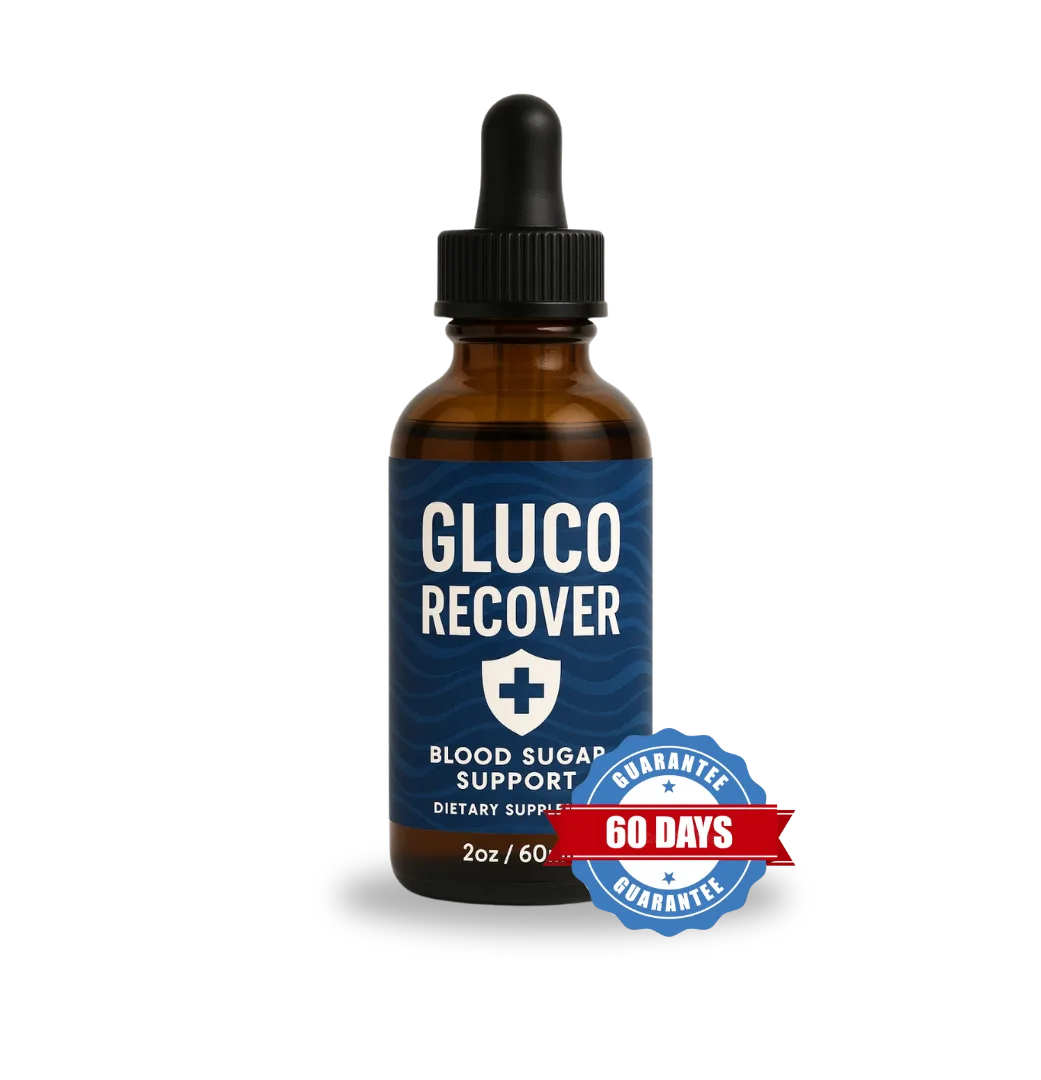
If you are tired of fighting the after-meal slump and want an easy way to support steadier energy, Gluco Recover is the option we recommend. It was made for exactly this kind of everyday goal: supporting healthy blood sugar balance, steady energy and healthy weight management as part of a healthy routine.
Here is why it is our top pick:
- A plant-based botanical blendEpimedium and Eurycoma longifolia (Tongkat Ali) to support vitality and steady energy, wild yam and nettle root to support metabolic balance, plus saw palmetto and sarsaparilla for overall wellbeing.
- Fast-absorbing liquid dropsA 2 oz / 60 ml bottle; a simple daily dose under the tongue or in water, easy to pair with breakfast. No pills to swallow.
- Made to a high standardProduced in a GMP-certified, FDA-registered US facility and non-habit-forming.
- Loved by customersRated 4.7/5 by verified customers.
- Zero-risk trialEvery bundle is backed by a 60-day money-back guarantee.
Because habits and support work best together over several weeks, the multi-bottle bundles offer the best value: 6 bottles at $49 per bottle ($294, free US shipping), 3 bottles at $72 per bottle ($216, free US shipping) or 2 bottles at $89 per bottle ($178 plus shipping). Prices were noted on the official website and can change; the live price is always shown at checkout.
Gluco Recover is a dietary supplement that complements healthy habits; it does not replace medication or medical care. If you take prescriptions, especially for blood sugar, talk to your doctor before starting.
Get Gluco Recover from the official site →
Official website · from $49 per bottle · 60-day money-back guarantee
Want the full breakdown first?
Read our complete Gluco Recover review: the formula ingredient by ingredient, what to expect week by week, current bundle prices and how the 60-day guarantee works. Or start from the Puriva Life home page and our guide to high blood sugar symptoms.
Read the Gluco Recover review →When to talk to a doctor
If you feel tired after most meals, or the tiredness comes with constant thirst, frequent urination, blurry vision, shakiness or sweating, book a checkup. For adults without diabetes, blood sugar generally stays under 140 mg/dL two hours after a meal, according to American Diabetes Association reference ranges; only your doctor can interpret your own numbers. If you already have diabetes or take glucose-lowering medication, follow your doctor's plan and discuss any new habit or supplement with them.