Can prediabetes be reversed? What the landmark Diabetes Prevention Program study actually found (in plain English)
Yes, for many people the numbers can move back to normal
For many people, yes: prediabetes can often be turned around, and the strongest proof comes from the Diabetes Prevention Program (DPP), a study of 3,234 adults published in the New England Journal of Medicine in 2002. People who aimed to lose about 7% of their body weight and walk roughly 150 minutes a week cut their risk of developing type 2 diabetes by 58% over about three years, compared with placebo. The lesson: steady, everyday habits are powerful, and a simple daily support like Gluco Recover can help you keep that routine going.

“Is prediabetes curable?” and “how to reverse prediabetes” are among the fastest-rising blood sugar searches this fall, and for good reason. According to the CDC, about 1 in 3 American adults has prediabetes, and most of them do not know it. If your doctor just told you your numbers are “borderline,” the obvious question is whether you can do anything about it. Instead of repeating headlines, let’s look closely at the single study that answered that question better than any other, and what it means for your routine.
Why this one study matters so much
Before the 2000s, doctors suspected that lifestyle changes could slow the slide from prediabetes to type 2 diabetes, but nobody had tested it in a large, diverse group of Americans with a strict design. The Diabetes Prevention Program, funded by the US National Institutes of Health, set out to do exactly that. Its results, published as “Reduction in the incidence of type 2 diabetes with lifestyle intervention or metformin” (Knowler and colleagues, New England Journal of Medicine, 2002; PubMed ID 11832527), are still the reference point for prediabetes advice today, including the CDC’s National Diabetes Prevention Program.
The study at a glance
| Question | What the DPP did |
|---|---|
| Who took part? | 3,234 adults without diabetes but with elevated fasting and after-meal glucose (prediabetes range) |
| What did they look like? | Average age 51, average BMI 34; 68% women and 45% from minority groups |
| Groups compared | Placebo pill, metformin (850 mg twice a day) or an intensive lifestyle program |
| Lifestyle goals | Lose at least 7% of body weight and get at least 150 minutes of physical activity per week |
| How long? | Average follow-up of 2.8 years |
| Main outcome | How many people developed type 2 diabetes in each group |
The randomized design is what makes this study so trustworthy: people were assigned to a group by chance, so differences in the results can be credited to the program itself rather than to who chose to join it.
What the researchers found
The numbers are striking. New cases of type 2 diabetes per 100 people per year were:
- Placebo group: 11.0The baseline, showing how quickly prediabetes can progress without a structured change.
- Metformin group: 7.8A 31% lower risk than placebo.
- Lifestyle group: 4.8A 58% lower risk than placebo, and significantly better than the medication.
Put another way, the researchers calculated that about 7 people needed to follow the lifestyle program for three years to prevent one case of diabetes, compared with about 14 people taking metformin. Their conclusion: lifestyle changes and metformin both reduced diabetes in people at high risk, and the lifestyle intervention was more effective.
What did “lifestyle” actually mean? Nothing extreme. A 7% weight loss is about 14 pounds for someone who weighs 200. And 150 minutes a week is a brisk 30-minute walk on five days. The program used coaching sessions to help people stick with lower-fat, lower-calorie eating and regular activity.
The honest limits
A good study explainer should be clear about what a study does not show:
- “Prevent or delay” is not “cure.” The DPP measured how many people developed diabetes over about three years. It showed that the risk drops sharply, not that prediabetes disappears forever for everyone.
- The program had support. Participants had regular coaching. Doing it alone is possible, but structure and consistency clearly matter.
- Averages hide individuals. Some people in the lifestyle group still developed diabetes, and some in the placebo group did not. Age, genetics and family history play a role too.
- It tested habits and metformin, not supplements. No dietary supplement was part of this study.
What it means for you in practice
The DPP turns a scary diagnosis into a practical plan. Here is how to translate it into everyday life:
- Pick a modest target. Aim for 5 to 7% of your current weight, not a dramatic transformation.
- Walk your way to 150. Thirty minutes on five days, or three 10-minute walks after meals, which also help blunt after-meal spikes.
- Simplify the plate. Half vegetables, a quarter protein, a quarter carbs. Our guide to the plate method shows how.
- Track a few numbers. Weight, steps and your doctor’s A1C or fasting glucose at checkups. Our normal blood sugar levels chart explains what the ranges mean.
- Make it a routine, not a sprint. The DPP lasted almost three years. A habit you can keep beats a perfect week.
That last point is where a simple daily support earns its place. Many readers add Gluco Recover to the same moment every day, right after breakfast or after the evening walk, as an anchor that keeps the whole routine on track.
When to talk to a doctor
Only a healthcare provider can diagnose prediabetes, usually with an A1C, fasting glucose or glucose tolerance test. Ask about testing if you are over 35, carry extra weight, have a family history of diabetes or had diabetes during pregnancy. If you take medication for blood sugar, keep your provider in the loop before changing your routine.
Our recommendation: Gluco Recover
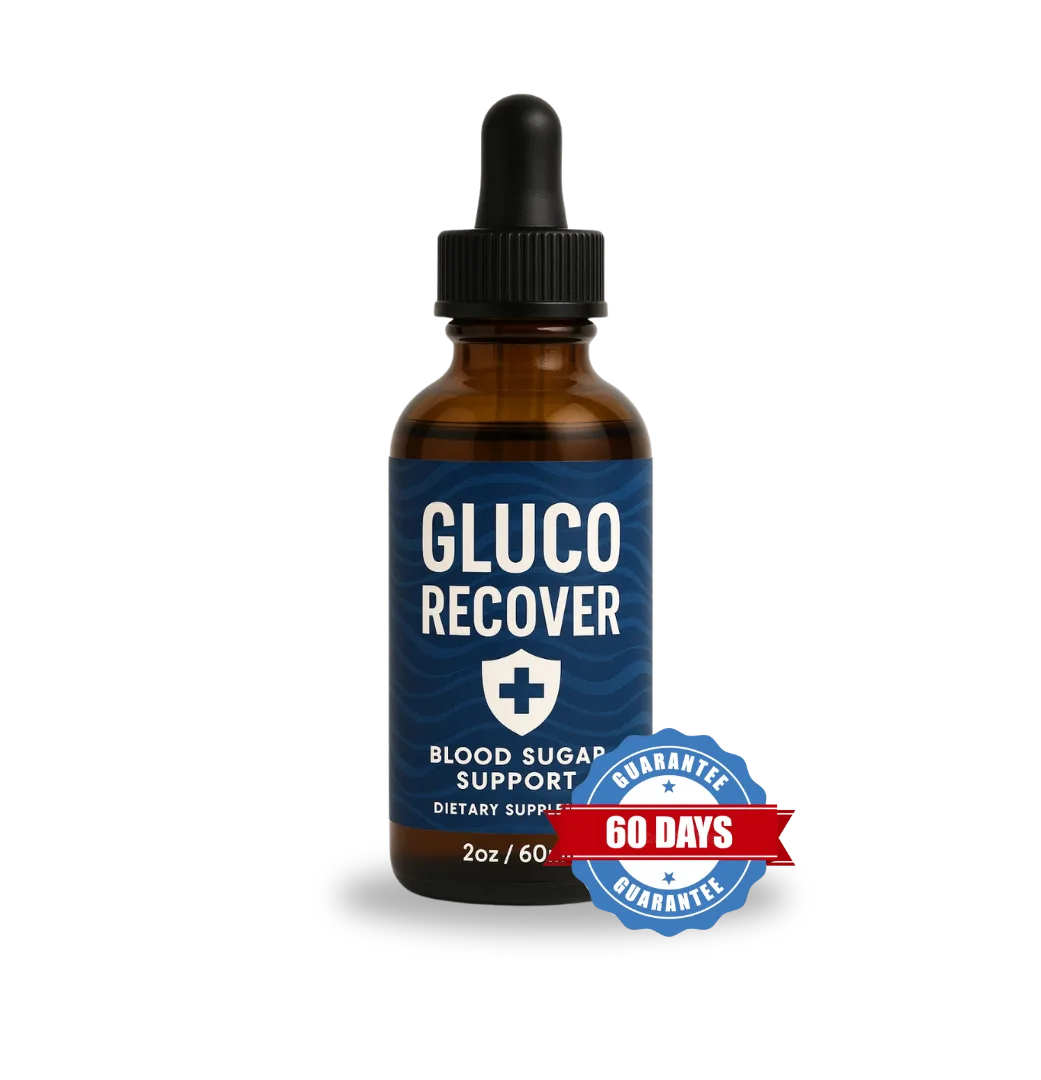
The DPP proved that consistent daily habits are what move the needle. Gluco Recover is the option we recommend to make that routine easier to keep. It was made for exactly this goal: supporting healthy blood sugar balance, steady energy and healthy weight management as part of a healthy lifestyle, with a dose that takes seconds. To be clear, the DPP tested lifestyle changes and metformin, not Gluco Recover; the drops are a daily support that sits alongside those habits. Our full Gluco Recover review covers every detail, and the Puriva Life home page has a quick overview.
- A plant-based botanical blendEpimedium and Eurycoma longifolia (Tongkat Ali) to support vitality and steady energy for your daily walks, wild yam and nettle root to support metabolic balance, plus saw palmetto and sarsaparilla for overall wellbeing.
- The easiest habit on your listA 2 oz / 60 ml dropper bottle; a quick daily dose under the tongue or in water, easy to tie to breakfast or your after-dinner walk.
- Made to a high standardProduced in a GMP-certified, FDA-registered US facility and non-habit-forming.
- Zero-risk trialEvery bundle is backed by a 60-day money-back guarantee, plenty of time to build the routine.
Because a steady routine works best over several months, the multi-bottle bundles offer the best value: 6 bottles at $49 per bottle ($294), 3 bottles at $72 per bottle ($216) or 2 bottles at $89 per bottle ($178). Prices were noted on the official website and can change; the live price is always shown at checkout.
Gluco Recover is a dietary supplement that complements healthy habits. If you take prescriptions, especially for blood sugar, talk to your doctor before starting.
Get Gluco Recover from the official site →
Official website · from $49 per bottle · 60-day money-back guarantee
Want the full breakdown first?
Read our complete Gluco Recover review: the formula ingredient by ingredient, what to expect week by week, current bundle prices and how the 60-day guarantee works.
Read the Gluco Recover review →Source
Diabetes Prevention Program Research Group; Knowler WC, Barrett-Connor E, Fowler SE, et al. Reduction in the incidence of type 2 diabetes with lifestyle intervention or metformin. N Engl J Med. 2002;346(6):393-403. doi:10.1056/NEJMoa012512. PMID 11832527. This article is general information, not medical advice.