The plate method and 4 other blood sugar rules of thumb: where they came from and what still holds up
The plate method and friends, in two sentences
The plate method (half vegetables, a quarter protein, a quarter carbs) grew out of a Swedish teaching tool used since the 1980s and is still one of the best-supported everyday rules for steadier blood sugar. Other famous numbers hold up too, like a short walk after meals and the “under 100 fasting” cutoff, while “eat every 3 hours” has no clear official origin; combine the rules that fit your day with a simple daily support like Gluco Recover for a routine that is easy to keep.

Blood sugar advice is full of neat, round numbers. Fill half your plate with vegetables. Walk for ten minutes after dinner. Keep your morning number under 100. Eat every three hours. They are easy to remember, which is exactly why they spread. But where did they come from, and which ones are worth building your day around? Here are five popular rules of thumb, their real origins and what official sources say about them today.
Rule 1: the plate method
The rule: on a regular 9-inch dinner plate, fill half with non-starchy vegetables, a quarter with lean protein and a quarter with carbohydrate foods, ideally fiber-rich ones.
Where it came from: the idea started in Sweden. A Swedish plate model was already being used by 1987 to teach meal planning to people with type 2 diabetes, because it skipped weighing and counting and simply showed proportions on a plate. Dietitians in Idaho later adapted it into the “Idaho Plate Method,” and a CDC case study published in 2007 described how the University of Idaho Extension Service turned it into a tested teaching program. Today the American Diabetes Association (ADA) promotes its own version, the Diabetes Plate Method.
Does it hold up? Yes. It is not a strict diet but a visual shortcut, and that is its strength: vegetables, protein and fiber slow how quickly the carbohydrates on the plate are digested, which supports a gentler rise after meals. Our 6 blood sugar-friendly dinner ideas show what the plate looks like night after night.
Real-life version: use a smaller plate, build the vegetable half first and drink water or unsweetened tea with the meal. At breakfast, the same idea works with eggs or Greek yogurt, berries and a slice of whole-grain toast.
Rule 2: “Take a 10-minute walk after you eat”
The rule: a short walk after meals, especially after the biggest meal of the day.
Where it came from: after-dinner strolls are an old habit in many cultures, but the modern version has research behind it. A 2013 study in Diabetes Care found that in older adults at risk, three 15-minute walks after meals improved blood sugar over the day as well as or better than one 45-minute walk. Later research reviews have reached a similar conclusion: even light walking soon after eating can help soften the rise.
Does it hold up? Yes. Working muscles pull glucose out of the blood to use as fuel, so moving while the meal is being absorbed makes sense. The exact number of minutes is flexible; what counts is moving soon after eating rather than sitting for hours.
Real-life version: 10 to 15 minutes around the block, doing the dishes standing up, or walking the dog. If something gets in the way, a slow walk around the house still counts.
Rule 3: “Your fasting number should be under 100”
The rule: a morning (fasting) blood sugar under 100 mg/dL is considered normal.
Where it came from: this cutoff comes straight from official diagnostic criteria. The CDC and the ADA describe a fasting level below 100 mg/dL as normal, 100 to 125 as prediabetes and 126 or higher as diabetes. The thresholds have moved over time: the diabetes cutoff was lowered from 140 to 126 mg/dL in 1997, and the lower limit for “impaired fasting glucose” was lowered to 100 in 2003, as experts learned more about long-term risk.
Does it hold up? Yes, as a screening line. Only a lab test, repeated and interpreted by a healthcare provider, can diagnose prediabetes or diabetes, and people who already have diabetes often have different personal targets. Our normal blood sugar levels chart lays out fasting, after-meal and A1C ranges side by side.
Real-life version: if you check at home, test at the same time each morning before eating and look at the weekly pattern, not one reading. A higher morning number after a short night or a late dessert is common.
Rule 4: the 15-15 rule
The rule: when blood sugar is low, have about 15 grams of fast-acting carbohydrate, wait 15 minutes and check again.
Where it came from: this is official guidance that the CDC describes for people with diabetes who have a low reading (generally below 70 mg/dL). Fifteen grams is roughly half a cup of juice or regular soda, or glucose tablets as directed on the package.
Does it hold up? Yes, for its intended purpose: treating a low reading in someone with diabetes. It is not a snacking rule for everyday hunger. If symptoms are severe, or the person cannot eat or drink safely, call 911. Our guide to low vs. high blood sugar explains how to tell the two apart.
Rule 5: “Eat every 3 hours to keep blood sugar stable”
The rule: small meals or snacks every three hours to avoid ups and downs.
Where it came from: the origin is unclear. It spread through diet books and fitness culture, often linked to the idea of “stoking the metabolism.” We could not find an official guideline that sets three hours as a rule for the general public.
Does it hold up? Only partly. Regular, predictable meals help many people, and some people who take certain diabetes medications need a set eating schedule from their care team. But frequent snacking is not necessary for everyone, and grazing on refined snacks can mean more time with elevated blood sugar, not less. What matters more is what is on the plate.
Real-life version: three balanced meals, plus a planned snack with protein and fiber if there is a long gap. Follow your doctor’s schedule if your medication requires one.
The 5 rules at a glance
| Rule | Where it came from | Verdict | Easy real-life version |
|---|---|---|---|
| Plate method | Swedish teaching model (by 1987), adapted in Idaho; ADA version today | Holds up well | Half vegetables, ¼ protein, ¼ carbs |
| Walk after meals | Old habit, backed by a 2013 Diabetes Care study and later reviews | Holds up well | 10–15 minutes after the biggest meal |
| Fasting under 100 | Official criteria (CDC, ADA); cutoff set at 100 in 2003 | Holds up as a screening line | Check the weekly pattern; diagnosis only by a provider |
| 15-15 rule | CDC guidance for low readings in diabetes | Holds up, for lows only | 15 g fast carbs, wait 15 minutes, recheck |
| Eat every 3 hours | Unclear; diet and fitness culture | Only partly | 3 balanced meals + a planned snack if needed |
How to turn the rules into one simple routine
You do not need all five rules every day. A routine that sticks usually has just three anchors:
- Build one plate-method meal a day. Start with dinner, then let it spread to lunch.
- Walk after your biggest meal. Ten to fifteen minutes, most days of the week.
- Pair a daily support with a habit you already have. Your morning glass of water or breakfast is the easiest anchor for a supplement routine.
That third anchor is where Gluco Recover fits for many readers: a dropper bottle that takes seconds, next to the coffee maker, every morning. If you like to see your progress, our simple blood sugar log helps you spot what works for you.
When to talk to your doctor
See a healthcare provider if your fasting readings are often 100 mg/dL or higher, if you have low readings, if you feel very thirsty, tired or need to urinate often, or before changing your routine if you take medication for blood sugar. Rules of thumb are a starting point, not a replacement for personal medical advice.
Our recommendation: Gluco Recover
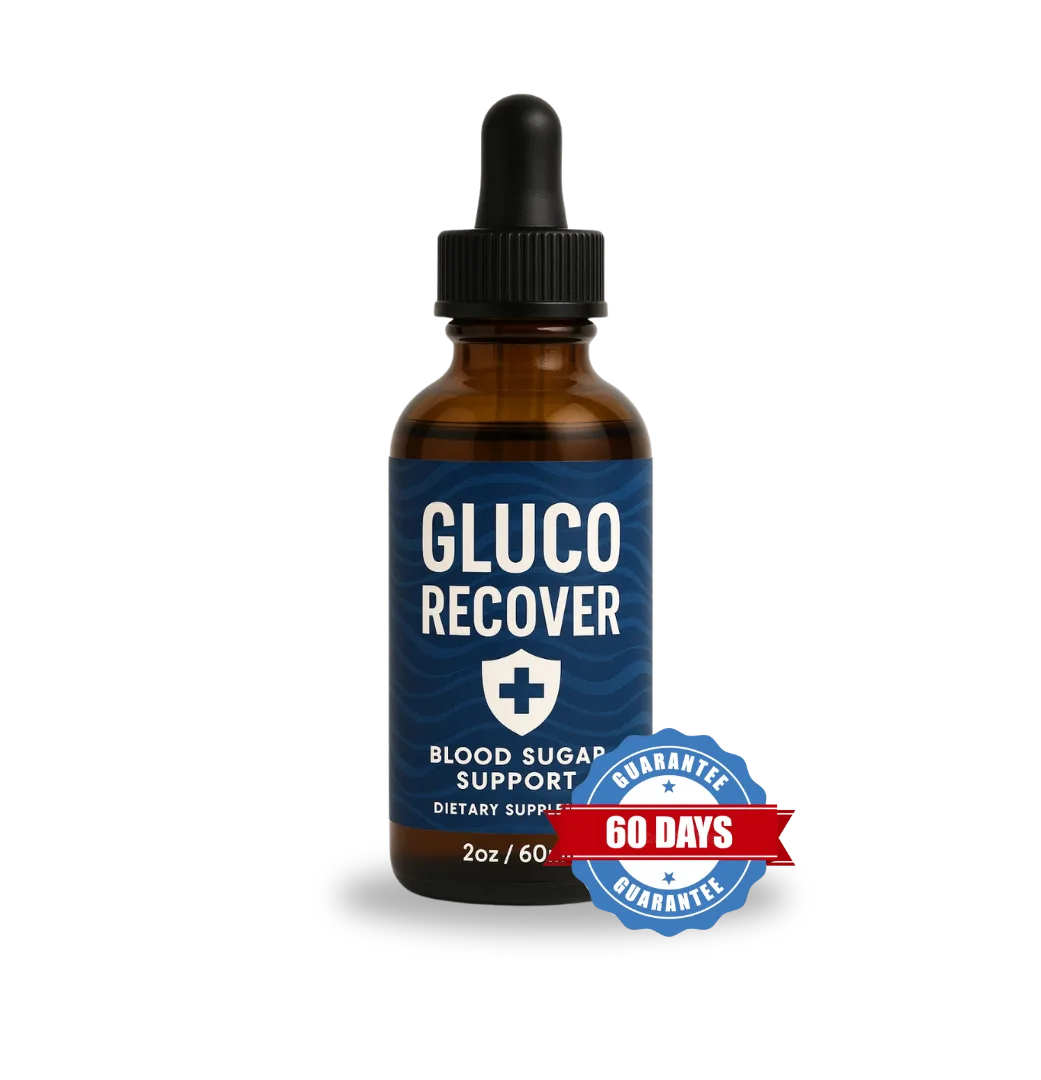
The plate method and a walk after meals do the heavy lifting, and Gluco Recover is the option we recommend to support that routine every day. It was made for exactly this goal: supporting healthy blood sugar balance, steady energy and healthy weight management as part of a healthy lifestyle, with a dose that takes seconds. Our full Gluco Recover review covers every detail, and the Puriva Life home page has a quick overview.
- A plant-based botanical blendEpimedium and Eurycoma longifolia (Tongkat Ali) to support vitality and steady energy, wild yam and nettle root to support metabolic balance, plus saw palmetto and sarsaparilla for overall wellbeing.
- The easiest rule to keepA 2 oz / 60 ml dropper bottle; a quick daily dose under the tongue or in water, easy to tie to breakfast or your first glass of water.
- Made to a high standardProduced in a GMP-certified, FDA-registered US facility and non-habit-forming.
- Zero-risk trialEvery bundle is backed by a 60-day money-back guarantee, plenty of time to see how it fits your routine.
Because a steady routine works best over several months, the multi-bottle bundles offer the best value: 6 bottles at $49 per bottle ($294), 3 bottles at $72 per bottle ($216) or 2 bottles at $89 per bottle ($178). Prices were noted on the official website and can change; the live price is always shown at checkout.
Gluco Recover is a dietary supplement that complements healthy habits; it does not diagnose, treat, cure or prevent any disease, and it does not replace medication or medical care. If you take prescriptions, especially for blood sugar, talk to your doctor before starting.
Get Gluco Recover from the official site →
Official website · from $49 per bottle · 60-day money-back guarantee
Want the full breakdown first?
Read our complete Gluco Recover review: the formula ingredient by ingredient, what to expect week by week, current bundle prices and how the 60-day guarantee works.
Read the Gluco Recover review →A note on this guide
This article is general information, not medical advice. Only a healthcare provider can diagnose diabetes or prediabetes or set your personal targets.