How to lower blood sugar naturally: the 4 habits that do most of the work (and what can wait)
Four habits carry most of the weight
To lower blood sugar naturally, focus first on four habits with the strongest evidence: move more (especially a short walk after meals and breaking up long sitting), lose 5% to 7% of your body weight if you have extra, build meals around fiber-rich carbs instead of sugary drinks and refined starches, and protect 7 or more hours of sleep. In the landmark Diabetes Prevention Program, a lifestyle plan built on the first two cut the chance of developing type 2 diabetes by 58%. Single "miracle" foods can wait. A simple daily step like Gluco Recover can anchor the routine.

Search for ways to lower blood sugar and you will find hundreds of tips: okra water, vinegar shots, special teas, meal-timing tricks, expensive gadgets. Some help a little, many barely move the needle, and trying all of them at once is a fast way to burn out. This guide does the opposite. It ranks the most common advice by impact, based on what major studies and guidelines actually show, so you can spend your energy where it pays off.
In this guide
The 80/20 idea, applied to blood sugar
The 80/20 principle is a rule of thumb, not a scientific measurement: in many areas of life, a small number of actions produce most of the results. Blood sugar is a good example. Large trials and official guidelines keep pointing to the same short list of habits, while most of the viral tips have only small or uncertain effects.
The best-known proof is the Diabetes Prevention Program (DPP), published in the New England Journal of Medicine in 2002. Adults with prediabetes who joined a lifestyle program aiming for about 7% weight loss and 150 minutes of activity a week were 58% less likely to develop type 2 diabetes over about three years than the placebo group. We explain that study in detail in can prediabetes be reversed?
Every common tip, ranked by impact
| Action | Impact | Effort | Source |
|---|---|---|---|
| Regular activity + walks after meals | High | Low to medium | ADA Standards of Care; CDC; DPP |
| Lose 5–7% of body weight (if overweight) | High | Medium to high | DPP (NEJM 2002); CDC National DPP |
| Fiber-rich carbs, fewer sugary drinks and refined starches | High | Medium | ADA Standards of Care; Dietary Guidelines for Americans |
| 7+ hours of sleep | High | Medium | CDC; ADA Standards of Care |
| Managing stress, not smoking | Medium | Medium | CDC; ADA |
| Eating vegetables and protein before starches | Medium | Low | Small clinical studies |
| Single foods (vinegar, okra water, special teas) | Low | Low | Small or mixed studies |
| Perfect meal timing, detox plans, gadgets for people without diabetes | Low | High | Limited evidence |
The ranking is general guidance for adults. If you have diabetes or take medication, your care team may set different priorities.
High impact 1: move more, especially after meals
Why it weighs so much: working muscles are the body's biggest users of blood sugar, and regular activity makes your cells more sensitive to insulin. The American Diabetes Association recommends at least 150 minutes of moderate activity a week, strength training on 2 or 3 days, and breaking up long periods of sitting with a few minutes of light activity about every 30 minutes.
How to do it: take a 10- to 15-minute walk after your largest meal, stand up and walk for 2 or 3 minutes every half hour at your desk, and add two short strength sessions a week (chair squats and wall push-ups are enough to start). Our guide on preventing blood sugar spikes after eating has more easy ideas.
High impact 2: modest weight loss
Why it weighs so much: extra weight, especially around the waist, is closely tied to insulin resistance. The good news is that you do not need a dramatic change. The CDC's National Diabetes Prevention Program uses a goal of losing 5% to 7% of body weight: about 10 to 14 pounds for a 200-pound person.
How to do it: aim for a slow, steady pace of about 1 to 2 pounds a week, with protein and vegetables at every meal and fewer liquid calories. If your doctor has mentioned metabolic syndrome, our article on metabolic syndrome shows why the same weight change helps several numbers at once.
High impact 3: fiber-rich carbs, fewer sugary drinks
Why it weighs so much: the ADA no longer names one ideal percentage of carbs for everyone. Instead, it emphasizes carb quality: non-starchy vegetables, whole grains, beans and whole fruit, with as few sugary drinks and refined grains as possible. Fiber slows how fast sugar reaches your blood, and the Dietary Guidelines for Americans suggest about 14 grams of fiber for every 1,000 calories you eat.
How to do it: swap soda and juice for water or unsweetened tea, fill half your plate with vegetables using the plate method, and choose beans, oats or whole grains over white bread and pastries.
High impact 4: sleep
Why it weighs so much: short or broken sleep makes the body less responsive to insulin the next day and makes cravings harder to resist. The CDC recommends at least 7 hours a night for adults, and the ADA includes sleep in its lifestyle recommendations.
How to do it: keep the same wake-up time every day, dim screens an hour before bed and keep caffeine to the morning. Our guide on sleep and blood sugar includes a simple evening routine.
What can wait (the many tips that do less)
- Single "miracle" foods and drinksVinegar, okra water and special teas may have small effects in some studies, but none comes close to the four habits above. Enjoy them as extras.
- Perfect meal timingEating order and timing can fine-tune after-meal numbers, but they matter most once the basics are in place.
- Detox plans and cleansesYour liver and kidneys already do this job; there is no good evidence that a cleanse improves blood sugar.
- Counting every gramPrecise tracking helps some people, but for most, consistent plates and daily walks are a better use of energy.
A simple daily routine is what turns the big four into a habit. That is where a supplement can play a supporting role: Gluco Recover, for example, takes seconds each morning and becomes a reminder that the day's walk and balanced plates come next.
Your first week
- Day 1–2: walk after dinner10 minutes is enough to start. Put your shoes by the door.
- Day 3: swap one drinkReplace your daily soda or juice with water, sparkling water or unsweetened tea.
- Day 4: half a plate of vegetablesAt one meal a day, then build from there.
- Day 5: set a bedtimeChoose a wake-up time and count back 7.5 hours.
- Day 6–7: write it downNote your weight, waist and any readings. Our blood sugar log template makes it easy.
If you have diabetes or take medication that can lower blood sugar, talk to your doctor before increasing activity or changing what you eat, because some medicines need adjusting.
Our recommendation: Gluco Recover
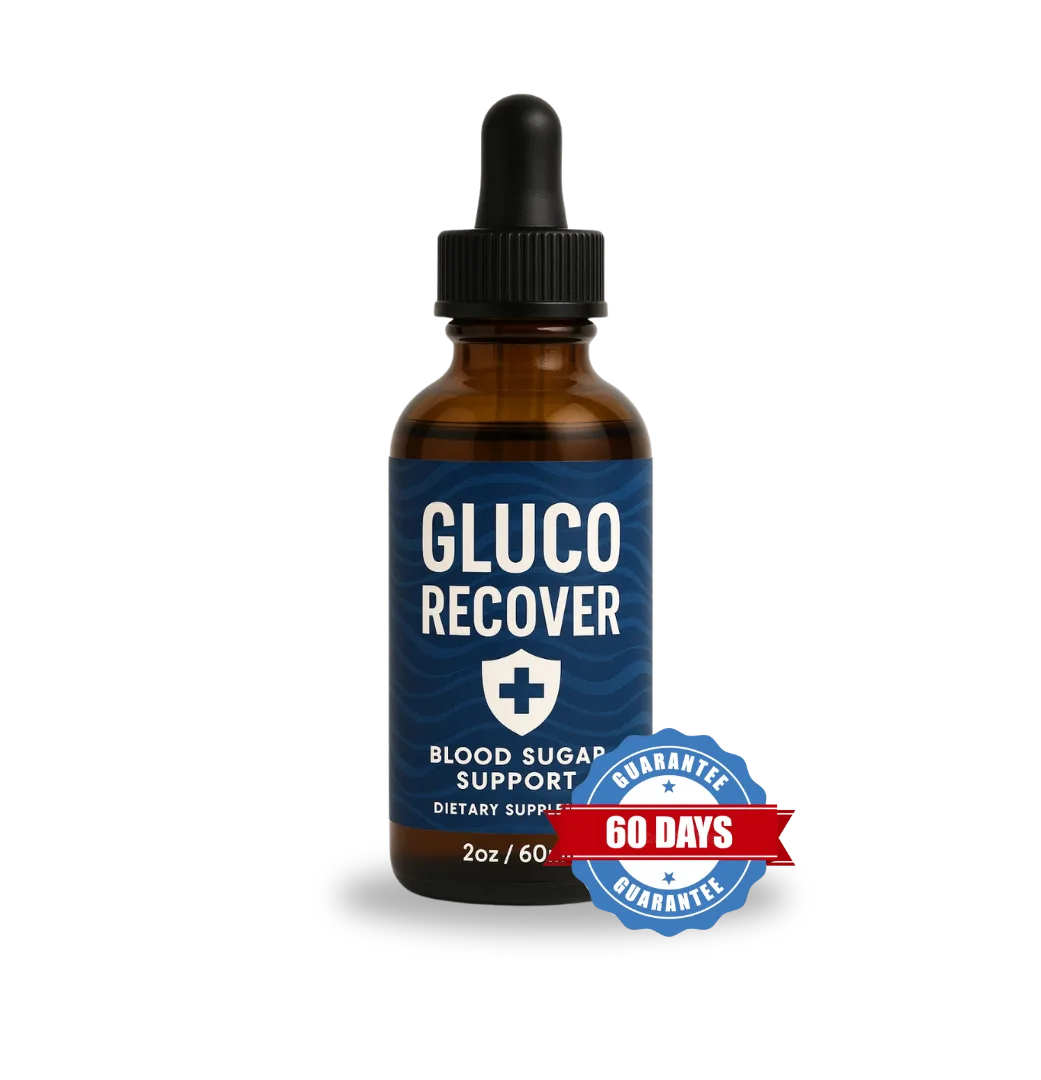
The four big habits do the heavy lifting, and the hardest part is doing them every day. Gluco Recover is the option we recommend as the daily complement to that routine: it was made to support healthy blood sugar balance, steady energy and healthy weight management as part of a healthy lifestyle, and the dose takes seconds. Our full Gluco Recover review covers every detail, and the Puriva Life home page has a quick overview.
- A plant-based botanical blendEpimedium and Eurycoma longifolia (Tongkat Ali) to support vitality and steady energy, wild yam and nettle root to support metabolic balance, plus saw palmetto and sarsaparilla for overall wellbeing.
- Built for consistencyA quick daily dose under the tongue or in water each morning, an easy anchor for the walk and the balanced plates that follow.
- Made to a high standardProduced in a GMP-certified, FDA-registered US facility and non-habit-forming.
- Zero-risk trialEvery bundle is backed by a 60-day money-back guarantee.
The multi-bottle bundles cover the 3 months it takes for A1C to reflect a new routine: 6 bottles at $49 per bottle ($294), 3 bottles at $72 per bottle ($216) or 2 bottles at $89 per bottle ($178). Prices were noted on the official website and can change; the live price is always shown at checkout.
Gluco Recover is a dietary supplement that complements healthy habits. If you take prescriptions for blood sugar, talk to your doctor before starting.
Get Gluco Recover from the official site →
Official website · from $49 per bottle · 60-day money-back guarantee
Want the full breakdown first?
Read our complete Gluco Recover review: the formula ingredient by ingredient, what to expect week by week, current bundle prices and how the 60-day guarantee works.
Read the Gluco Recover review →Sources
Diabetes Prevention Program Research Group, “Reduction in the Incidence of Type 2 Diabetes with Lifestyle Intervention or Metformin,” New England Journal of Medicine (2002). American Diabetes Association, Standards of Care in Diabetes, sections on facilitating positive health behaviors (physical activity, nutrition, sleep). CDC, National Diabetes Prevention Program and “How Much Sleep Do I Need?”. US Dietary Guidelines for Americans 2020–2025 (fiber). Reynolds AN et al., “Advice to walk after meals is more effective for lowering postprandial glycaemia in type 2 diabetes,” Diabetologia (2016). This article is general information, not medical advice.