Low blood sugar vs. high blood sugar: how to tell the difference (simple comparison chart)
Low vs. high blood sugar, in two sentences
Low blood sugar usually comes on fast and feels shaky, sweaty, hungry and jittery, while high blood sugar tends to build slowly and feels thirsty, tired and foggy, with more trips to the bathroom. Because some symptoms overlap, a quick check with a meter is the only reliable way to know which one you have; day to day, steady meals, regular movement, good sleep and a simple daily support like Gluco Recover help keep your numbers in a calmer range.

You feel off. Maybe you are lightheaded, maybe you have a headache, maybe you just cannot focus. Is your blood sugar too low, or too high? The two sound like opposites, yet in real life they are surprisingly easy to mix up, even for people who have lived with blood sugar concerns for years. This guide lays out the differences side by side, explains why they get confused and shows what to do in each case.
Two opposite problems that can feel alike
Your body works hard to keep the sugar in your blood within a fairly narrow range. When it dips too low, the brain, which runs mostly on glucose, sounds the alarm. When it climbs too high and stays there, the body tries to flush the extra sugar out. Both situations make you feel unwell, and that is where the confusion starts.
- Low blood sugar (hypoglycemia) means there is not enough glucose in the blood. The CDC and the National Institute of Diabetes and Digestive and Kidney Diseases (NIDDK) describe a reading below 70 mg/dL as low for many people with diabetes. It is most common in people who take insulin or certain diabetes medications, but other causes exist.
- High blood sugar (hyperglycemia) means there is too much glucose in the blood. It can follow a large, carb-heavy meal, stress, illness, missed medication or simply a body that is handling sugar less smoothly than it used to.
If the words themselves are confusing, our article Is glucose the same as blood sugar? explains the basics, and our blood sugar glossary covers terms like hypoglycemia, hyperglycemia and A1C.
Low vs. high blood sugar: the comparison chart
This chart shows the typical pattern. Not everyone feels every symptom, and some people feel very few, so treat it as a guide rather than a test.
| Low blood sugar | High blood sugar | |
|---|---|---|
| How fast it starts | Usually quickly, within minutes | Usually slowly, over hours or days |
| Typical feelings | Shaky, sweaty, jittery, sudden hunger, fast heartbeat | Very thirsty, dry mouth, tired, heavy, foggy |
| Bathroom | No change | Needing to urinate more often, including at night |
| Eyes and head | Dizziness, lightheadedness, sometimes blurred vision | Blurred vision, headache |
| Mood | Irritable, anxious, confused, trouble thinking | Low energy, trouble concentrating |
| Common triggers | Skipped meals, extra exercise, alcohol, some medications | Large carb-heavy meals, stress, illness, inactivity, missed medication |
| Reference point | Below 70 mg/dL for many people with diabetes | Fasting 100–125 mg/dL = prediabetes range; 126+ = diabetes range (on repeat tests) |
| First step | Check, then fast-acting carbs if low (15-15 rule) | Check, drink water, follow your care plan, call your doctor if it stays high |
The fasting ranges in the chart come from the CDC and the American Diabetes Association. For the full picture, including after-meal numbers and A1C, see our normal blood sugar levels chart.
Why low and high blood sugar get confused
Several symptoms show up on both sides of the chart: headache, tiredness, irritability, trouble concentrating and blurred vision. Add the fact that people react differently, and it is easy to guess wrong. A few situations make it even trickier:
- Nighttime. A low during sleep can show up as sweating, nightmares or waking with a pounding heart, while a high can mean waking up thirsty or needing the bathroom. Both leave you groggy in the morning.
- The crash after a spike. After a sugary meal, blood sugar can rise quickly and then fall. The drop can make you feel shaky and hungry even if your number is still in a normal range. We cover this in tired after eating.
- Hypoglycemia unawareness. The CDC notes that some people, especially those who have had diabetes for many years, may not feel the usual warning signs of a low at all.
- Stress and anxiety. A racing heart, sweaty palms and a jittery feeling can come from stress alone, which can look a lot like a low.
This is why guessing is risky in both directions: treating a high as if it were a low means adding more sugar, and ignoring a real low can quickly become dangerous.
If you think your blood sugar is low
If you have diabetes or a meter at home, check first. For people with diabetes, the CDC describes the 15-15 rule: take about 15 grams of fast-acting carbohydrate, such as half a cup of juice or regular soda, glucose tablets or a tablespoon of sugar or honey, wait 15 minutes and check again. Repeat if you are still low, then eat a regular meal or snack once you are back in range.
If you do not have diabetes but feel shaky, sweaty or confused between meals, sit down, have a small snack with some carbohydrate and protein, and mention the episodes to your doctor, especially if they repeat. Our guide on what to eat when blood sugar is low at work has practical snack ideas.
If you think your blood sugar is high
Check your number if you can. Drink water, take a short walk if you feel well enough and follow the plan you made with your doctor. A single high reading after a big meal is common; numbers that stay high for days, or keep coming back, deserve a conversation with your healthcare provider. If you do not know your numbers at all, a simple fasting glucose or A1C test at your next visit is a good place to start, and our list of high blood sugar symptoms shows what to mention.
When to get help right away
Call 911 or your local emergency number if someone with low blood sugar becomes very confused, cannot eat or drink safely, passes out or has a seizure. With high blood sugar, seek urgent care if there is vomiting, deep or fast breathing, a fruity breath smell, severe drowsiness or confusion. These can be signs of an emergency that needs immediate treatment.
Keeping your numbers in a steadier range
The best way to avoid both extremes is a calm, regular routine. These habits help most people:
- Eat at regular times. Long gaps make lows more likely; huge meals make spikes more likely.
- Build balanced plates. Vegetables, protein and some whole grains slow the rise after a meal. Our 9 habits to prevent spikes after eating are a good starting point.
- Move after meals. Even a 10-minute walk helps your muscles use glucose.
- Sleep 7 hours or more. Short nights make the next day’s numbers harder to manage.
- Keep a simple log. Writing down how you felt and what you ate helps you and your doctor spot patterns.
- Add steady daily support. Many readers pair these habits with Gluco Recover, tying the dose to the same moment every day.
The one-line version
Low blood sugar is usually fast, shaky and sweaty; high blood sugar is usually slow, thirsty and tired. When in doubt, check, and build a routine that keeps you away from both extremes.
Our recommendation: Gluco Recover
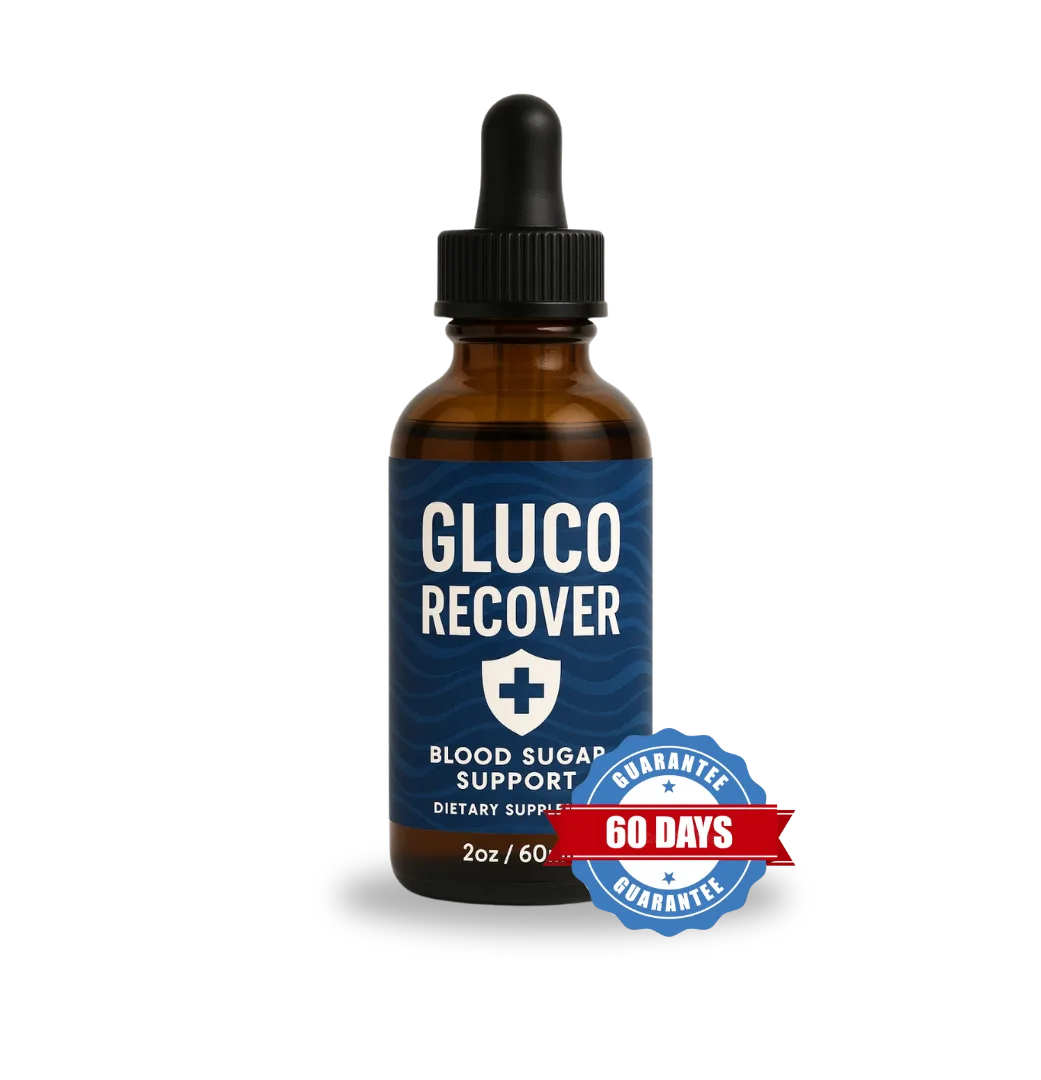
If you want fewer ups and downs in your day, the foundation is a steady routine, and Gluco Recover is the option we recommend to support it. It was made for exactly this everyday goal: supporting healthy blood sugar balance, steady energy and healthy weight management as part of a healthy lifestyle, with a dose that takes seconds and fits naturally into your morning. Our full Gluco Recover review covers every detail, and the Puriva Life home page has a quick overview.
- A plant-based botanical blendEpimedium and Eurycoma longifolia (Tongkat Ali) to support vitality and steady energy, wild yam and nettle root to support metabolic balance, plus saw palmetto and sarsaparilla for overall wellbeing.
- Simple to take every dayA 2 oz / 60 ml dropper bottle; a quick daily dose under the tongue or in water, easy to tie to breakfast or your first glass of water.
- Made to a high standardProduced in a GMP-certified, FDA-registered US facility and non-habit-forming.
- Zero-risk trialEvery bundle is backed by a 60-day money-back guarantee, plenty of time to see how it fits your routine.
Because a steady routine works best over several months, the multi-bottle bundles offer the best value: 6 bottles at $49 per bottle ($294), 3 bottles at $72 per bottle ($216) or 2 bottles at $89 per bottle ($178). Prices were noted on the official website and can change; the live price is always shown at checkout.
Gluco Recover is a dietary supplement that complements healthy habits; it does not diagnose, treat, cure or prevent any disease, it is not a treatment for a low or high blood sugar episode, and it does not replace medication or medical care. If you take prescriptions, especially for blood sugar, talk to your doctor before starting.
Get Gluco Recover from the official site →
Official website · from $49 per bottle · 60-day money-back guarantee
Want the full breakdown first?
Read our complete Gluco Recover review: the formula ingredient by ingredient, what to expect week by week, current bundle prices and how the 60-day guarantee works.
Read the Gluco Recover review →A note on this guide
This article is general information, not medical advice. Only a healthcare provider can diagnose diabetes, prediabetes or hypoglycemia, or set your personal targets. If you often feel shaky, sweaty, very thirsty or unusually tired, talk to your doctor.