Blood sugar spiked after a meal? What to do in the first 2 hours (and what not to do)
You finished lunch 45 minutes ago. Now you feel heavy, foggy and a little shaky, and if you have a meter or a sensor, the number is higher than you would like. The next two hours matter more than most people realize, not because one spike is dangerous for a healthy adult, but because what you do now decides whether you crash at 3 p.m., overeat at dinner and repeat the whole cycle tomorrow. Here is a calm, minute-by-minute plan.
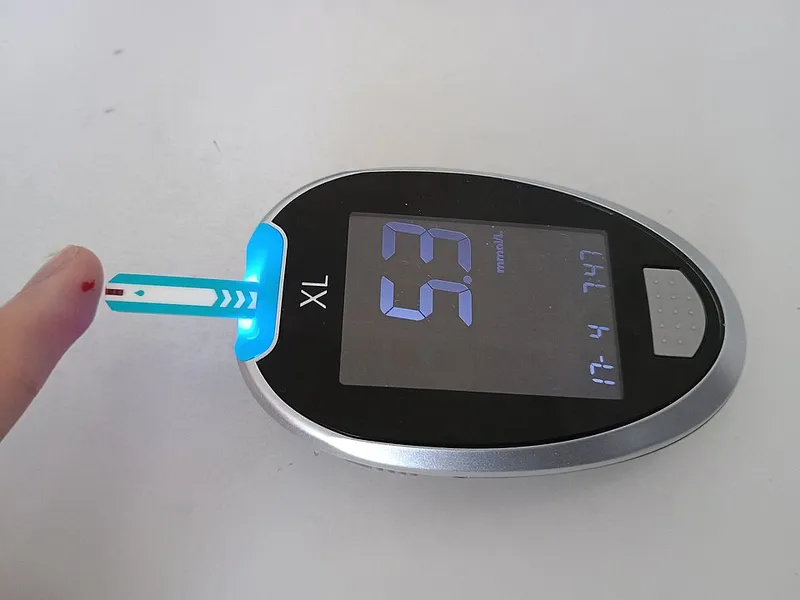
What should you do when blood sugar spikes after eating?
Drink a glass of water, do not eat anything else, and take a brisk 10 to 15 minute walk; then stay upright and let the next hour or two pass. Movement is the most reliable everyday way to help your muscles pull glucose out of the blood. Do not skip your next meal, do not lie down for a nap, do not exercise hard and never take extra medication on your own. If you have symptoms such as vomiting, confusion or trouble breathing, or a very high reading that is not coming down, seek medical care. For steadier days going forward, the daily support we recommend is Gluco Recover.
First: what counts as a spike, and when it is an emergency
Blood sugar is supposed to rise after food. The question is how high and for how long. In people without diabetes, glucose usually peaks about an hour after eating and is back below roughly 140 mg/dL by the two-hour mark. On a formal glucose tolerance test, 140 to 199 mg/dL at two hours falls in the prediabetes range and 200 mg/dL or higher in the diabetes range; those are screening values a doctor interprets, not numbers to diagnose yourself with. Our normal blood sugar levels chart lays them all out.
Without a meter, your body gives clues: sudden heaviness or sleepiness, brain fog, thirst, a dry mouth, blurry vision, needing to urinate more, or a shaky, irritable dip an hour or two later as the curve comes back down. We describe that pattern in tired after eating.
When to stop reading and get help
Seek medical care promptly if a reading is very high (many clinicians use 300 mg/dL as a warning level), if you feel nauseated or are vomiting, confused, unusually drowsy, short of breath or notice fruity-smelling breath, or if you use insulin and your numbers are not coming down as expected. These signs are rare for a healthy adult after a big lunch, but they are not something to "walk off."
Minutes 0 to 15: steady yourself
- Don't panic. One high reading after a carb-heavy meal is common and, for most healthy adults, temporary. Stress hormones can push glucose a little higher, so a few slow breaths help more than you would think.
- Drink a full glass of water. Hydration supports your kidneys and takes the edge off thirst and dry mouth. Plain water only; juice, soda and sweetened coffee pour fuel on the fire.
- Stop eating. No dessert "to finish the meal," no sugar-free snack to "fix" it. Give your body a chance to catch up with what is already there.
- Note what you ate. A quick line in your phone (what, how much, how fast) is the single most useful thing you can do for the next meal.
Minutes 15 to 60: move, gently
This is the window where you have real influence. Working muscles take up glucose from the blood, and they can do it with less insulin than usual. A brisk 10 to 15 minute walk is the classic choice because it is enough to help and easy enough to do in work clothes. Research on post-meal walking has repeatedly found that even short bouts blunt the after-meal rise, and that timing matters: sooner after eating works better than later.
No space to walk? Climb two or three flights of stairs, pace during a phone call, or do slow calf raises and seated marches at your desk for ten minutes. Light housework counts. What you want to avoid is the opposite extreme: an intense workout right now can trigger stress hormones that raise glucose for a while, and heavy effort on a full stomach feels awful anyway.
Then stay upright. Sitting slumped on the couch or lying down slows digestion and makes the heaviness worse. If you must sit, sit tall and get up for two minutes every twenty.
Hours 1 to 2: let the curve come down
If you track your numbers, recheck at about the two-hour mark, at the same point you normally would, so you are comparing like with like. Most healthy adults will see the reading settling back toward their usual range. Keep sipping water, keep moving a little, and resist two temptations:
- The nap. Post-meal sleepiness is real, but lying down now usually means a groggier wake-up and a later, hungrier evening.
- The "I've already blown it" snack. A spike is not a reason to abandon the day. The next meal is a fresh start, not a punishment.
This is also the moment many people decide to make a daily routine more deliberate, with meal order, fiber, walks and, for some, a simple daily support such as Gluco Recover. None of that reverses today's spike; all of it makes tomorrow's smaller.
What not to do after a blood sugar spike
- Don't skip the next meal. Skipping leads to a hungrier, bigger meal later and a larger spike. Eat on time; just build the plate differently.
- Don't take extra medication on your own. If you use insulin or other blood sugar medicine, follow the plan your doctor gave you. "Correcting" by feel is how people end up with dangerous lows.
- Don't chase it with a sweet or "detox" drink. Juice, smoothies, kombucha with sugar and lemonades add glucose. Apple cider vinegar shots on top of a spike mostly add heartburn.
- Don't do a punishing workout. Hard effort can raise glucose short term and is miserable on a full stomach. Walk instead.
- Don't lie down right away. Stay upright for at least an hour.
- Don't ignore a pattern. One spike is a Tuesday. Spikes after most meals, or symptoms that keep returning, are a reason to book a checkup, not to buy a bigger bag of sugar-free candy.
The first two hours at a glance
| Time window | Do | Don't |
|---|---|---|
| 0–15 min | Breathe, drink a glass of water, stop eating, jot down the meal | Panic, reach for dessert or a "fix-it" snack, drink anything sweet |
| 15–60 min | Brisk 10–15 minute walk, stairs or light chores; stay upright | Intense workout, lying on the couch, a nap |
| 1–2 hours | Recheck if you track, keep sipping water, light movement | Skip the next meal, take extra medication without your doctor |
| Next meal | Vegetables and protein first, fiber, smaller refined carbs, eat slowly | Overcorrect with a tiny meal that leaves you starving by evening |
| Any time | Seek care for very high readings or warning symptoms | Try to "walk off" vomiting, confusion or trouble breathing |
Preventing the next one
Today's spike is a free lesson. The meal note you made in minute five tells you what to change: usually a large portion of refined carbs eaten fast, on an empty stomach, with a sweet drink and no walk afterward. The fixes are simple and repeatable: eat vegetables and protein before the carbs, add fiber, drink water with the meal, slow down and walk after eating. Our guide to preventing blood sugar spikes after eating turns those into nine habits, and how to read a nutrition label for blood sugar helps you spot the sugar before it reaches your plate.
The one-line version
Water, no more food, a 10-minute walk, stay upright, eat your next meal on time. Then use what you learned to make tomorrow's curve gentler.
When to talk to a doctor
Book an appointment if spikes happen after most meals, if you notice symptoms like constant thirst, frequent urination, blurry vision or unexplained weight loss, if your after-meal readings are often above 180 to 200 mg/dL, or if you simply want your fasting glucose and A1C checked. If you already take medication for blood sugar, ask your doctor what to do after a high reading before it happens again, so you have a plan instead of a guess.
Our recommendation: Gluco Recover
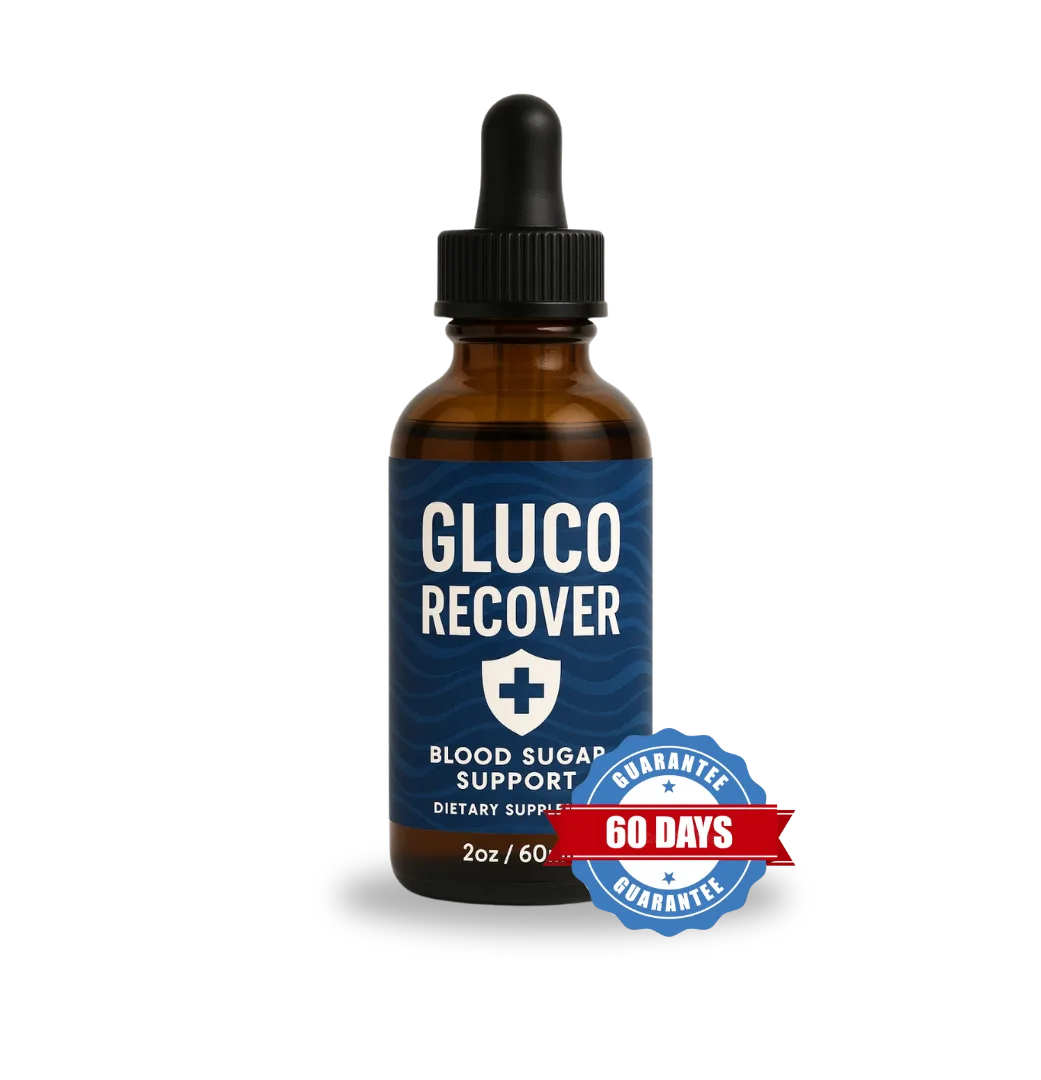
Handling a spike well is about the next two hours. Having fewer of them is about the next two months, and that is where a steady daily routine does the work. To round out that routine, Gluco Recover is the option we recommend. It was made for exactly this everyday goal: supporting healthy blood sugar balance, steady energy and healthy weight management as part of a healthy lifestyle, in a format that takes seconds a day. Our full Gluco Recover review covers every detail.
- A plant-based botanical blendEpimedium and Eurycoma longifolia (Tongkat Ali) to support vitality and steady energy, wild yam and nettle root to support metabolic balance, plus saw palmetto and sarsaparilla for overall wellbeing.
- Fast-absorbing liquid dropsA 2 oz / 60 ml bottle; a simple daily dose under the tongue or in water, easy to pair with breakfast or your biggest meal of the day.
- Made to a high standardProduced in a GMP-certified, FDA-registered US facility and non-habit-forming.
- Zero-risk trialEvery bundle is backed by a 60-day money-back guarantee, plenty of time to pair it with after-meal walks and see how your afternoons feel.
Because a steady routine works best over several months, the multi-bottle bundles offer the best value: 6 bottles at $49 per bottle ($294, free US shipping), 3 bottles at $72 per bottle ($216, free US shipping) or 2 bottles at $89 per bottle ($178 plus shipping). Prices were noted on the official website and can change; the live price is always shown at checkout.
Gluco Recover is a dietary supplement that complements healthy habits; it does not diagnose, treat, cure or prevent any disease, it is not a rescue product for an acute spike, and it does not replace medication or medical care. If you take prescriptions, especially for blood sugar, talk to your doctor before starting.
Get Gluco Recover from the official site →
Official website · from $49 per bottle · 60-day money-back guarantee
Want the full breakdown first?
Read our complete Gluco Recover review: the formula ingredient by ingredient, what to expect week by week, current bundle prices and how the 60-day guarantee works. Or start from the Puriva Life home page.
Read the Gluco Recover review →When to talk to a doctor
This article is general information, not a diagnosis or a treatment plan. The ranges above are general screening values, not personal targets. Seek care promptly for very high readings, vomiting, confusion, trouble breathing or severe drowsiness, and discuss any supplement with your doctor before starting, especially if you take medication for blood sugar.