Blood sugar terms explained: 12 words from A1C to glycemic load
Your lab report says "A1C 5.8%." Your doctor mentions "insulin resistance." A cereal box promises a "low glycemic index." An article warns about "postprandial spikes." Blood sugar comes with its own vocabulary, and it is hard to make good decisions when half the words sound like a foreign language. This glossary explains the 12 terms you will meet most often, in plain English, with the standard ranges where they exist, so the next lab result or doctor visit makes a lot more sense.
Wondering whether "glucose" on your lab report and "blood sugar" on your meter are the same thing? Our quick guide is glucose the same as blood sugar? answers it in plain English.
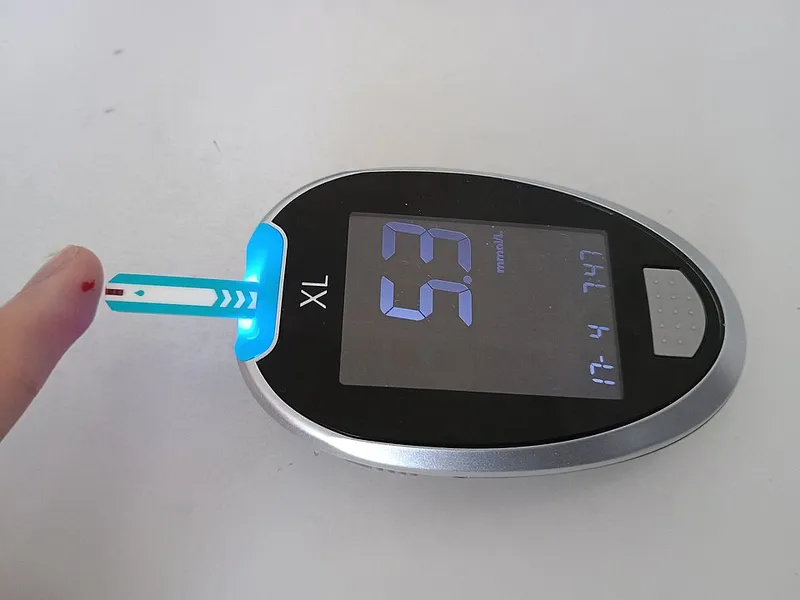
Which blood sugar terms matter most?
The four terms most people need are fasting blood sugar, A1C, postprandial (after-meal) blood sugar and insulin resistance. Fasting and A1C show where your numbers stand, postprandial shows how your body handles meals, and insulin resistance explains why numbers often creep up slowly. Glycemic index and glycemic load help you choose foods. Understanding the words makes it easier to build steady daily habits, and alongside those habits the daily support we recommend is Gluco Recover.
Part 1: The numbers on your meter and lab report
1. Blood glucose (blood sugar)
The amount of sugar (glucose) circulating in your blood at a given moment. Glucose is your body's main fuel and comes mostly from the carbohydrates you eat. In the US it is measured in milligrams per deciliter (mg/dL); many other countries use millimoles per liter (mmol/L). To convert, divide mg/dL by about 18.
2. Fasting blood sugar
Your blood sugar after at least eight hours without food, usually checked first thing in the morning. It shows how well your body keeps glucose steady when you are not eating. Standard ranges used by the American Diabetes Association: under 100 mg/dL is normal, 100 to 125 mg/dL is the prediabetes range and 126 mg/dL or higher (confirmed on repeat testing) is the diabetes range.
3. Postprandial blood sugar
"Postprandial" simply means after a meal. This is your blood sugar in the one to two hours after eating. It naturally rises after food and then comes back down. In people without diabetes it usually stays below about 140 mg/dL two hours after a meal. Lab versions of this measurement are called the oral glucose tolerance test (OGTT).
4. A1C (HbA1c)
A blood test that reflects your average blood sugar over roughly the past two to three months. It measures how much glucose has attached to hemoglobin in your red blood cells. No fasting is needed, and one unusual day barely changes it. Standard ranges: under 5.7% normal, 5.7% to 6.4% prediabetes range, 6.5% or higher diabetes range. Our normal blood sugar levels chart puts all these numbers side by side.
Part 2: What is happening inside your body
5. Insulin
A hormone made by the pancreas. When blood sugar rises after a meal, insulin acts like a key that lets glucose move out of the blood and into your muscles, liver and fat cells, where it is used or stored. Without enough insulin, or without a good response to it, sugar stays in the blood.
6. Insulin resistance
A condition in which your cells respond less strongly to insulin. The pancreas compensates by making more of it, which can keep blood sugar normal for years, so many people have no idea it is happening. Over time it can push fasting numbers and A1C upward. Extra weight around the waist, little physical activity, poor sleep and family history are commonly linked to it. The good news: daily movement, more fiber and protein, and better sleep are habits that support how your body responds to insulin.
7. Prediabetes
Blood sugar or A1C results that are higher than normal but not in the diabetes range (see the numbers above). It usually causes no symptoms, which is why routine checkups matter. It is also the stage where everyday habits can make the biggest difference; our simple 30-day prediabetes routine shows where to start.
8. Hyperglycemia
"Hyper" means high: hyperglycemia is blood sugar that is higher than it should be. Common signs include thirst, frequent urination, fatigue and blurry vision. Our guide to high blood sugar symptoms lists the early warning signs.
9. Hypoglycemia
"Hypo" means low: blood sugar that drops too far, generally below 70 mg/dL. It can cause shakiness, sweating, a fast heartbeat, hunger, irritability and confusion. It is most common in people taking certain diabetes medications, and anyone who has frequent lows should talk to their doctor.
Part 3: Words you will meet on food labels and in meal advice
10. Glycemic index (GI)
A score from 0 to 100 that ranks carbohydrate foods by how quickly they raise blood sugar compared with pure glucose. Low GI is 55 or less, medium is 56 to 69 and high is 70 or more. Lentils, most fruit and steel-cut oats tend to be low; white bread, rice cakes and many breakfast cereals tend to be high.
11. Glycemic load (GL)
The glycemic index tells you how fast; glycemic load also accounts for how much carbohydrate is in a normal portion. That makes it more practical at the table. A glycemic load of 10 or less is low and 20 or more is high. Watermelon is the classic example: a high glycemic index, but so little carbohydrate per slice that its glycemic load is low.
12. Blood sugar spike
An everyday term, not a medical one, for a fast, steep rise in blood sugar after eating, often followed by a dip. Many people notice the dip as sleepiness, brain fog or sudden cravings an hour or two after a big, carb-heavy meal. Pairing carbs with fiber, protein and healthy fat, eating vegetables first and taking a short walk after meals all help keep the curve gentler. Our guide on preventing blood sugar spikes after eating has nine easy habits.
The 12 terms at a glance
| Term | In one line | Standard range or rule of thumb |
|---|---|---|
| Blood glucose | Sugar in your blood right now | Measured in mg/dL (US) or mmol/L |
| Fasting blood sugar | Glucose after 8+ hours without food | Under 100 normal; 100–125 prediabetes range |
| Postprandial | Glucose 1–2 hours after a meal | Usually under 140 at 2 hours without diabetes |
| A1C | 2–3 month average | Under 5.7% normal; 5.7–6.4% prediabetes range |
| Insulin | Hormone that moves glucose into cells | Made by the pancreas |
| Insulin resistance | Cells respond less to insulin | Often silent for years |
| Prediabetes | Above normal, below diabetes range | Usually no symptoms |
| Hyperglycemia | Blood sugar too high | Thirst, frequent urination, fatigue |
| Hypoglycemia | Blood sugar too low | Generally under 70 mg/dL |
| Glycemic index | How fast a carb raises blood sugar | Low 55 or less; high 70 or more |
| Glycemic load | Speed plus portion size | Low 10 or less; high 20 or more |
| Blood sugar spike | Fast, steep rise after eating | Everyday term, not a lab value |
How to use these words at your next checkup
- Ask for your actual numbers, not just "fine" or "a bit high": fasting glucose and A1C at minimum.
- Ask where they fall in the ranges above, and how they compare with your last test.
- Ask about insulin resistance if your numbers are creeping up, your waist is growing or diabetes runs in your family.
- Ask for a personal target if you are in the prediabetes range, and how often to retest.
- Mention any supplements you take or plan to take, especially if you use medication.
Knowing the vocabulary turns a five-minute appointment into a real conversation, and it helps you see which daily habits move which number. That is also where a simple daily support such as Gluco Recover fits in: as one easy step inside a routine you now understand.
The one-line version
Fasting and A1C tell you where you stand, postprandial tells you how you handle meals, and insulin resistance explains the slow drift. Learn the words, then build the habits.
Our recommendation: Gluco Recover
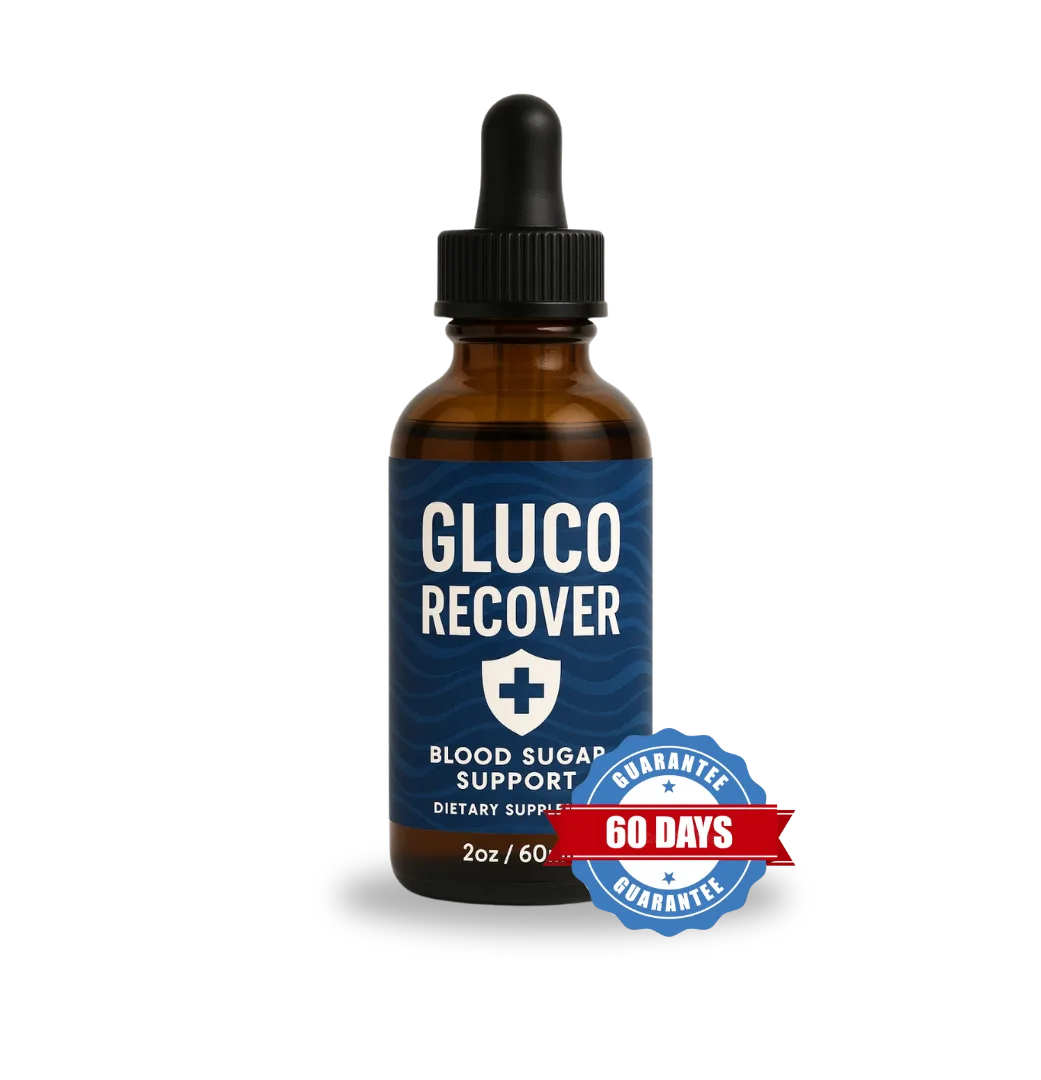
Understanding your numbers is the first step; a simple daily routine is the second. To round out that routine, Gluco Recover is the option we recommend. It was made for exactly this everyday goal: supporting healthy blood sugar balance, steady energy and healthy weight management as part of a healthy lifestyle, in a format that takes seconds a day. Our full Gluco Recover review covers every detail.
- A plant-based botanical blendEpimedium and Eurycoma longifolia (Tongkat Ali) to support vitality and steady energy, wild yam and nettle root to support metabolic balance, plus saw palmetto and sarsaparilla for overall wellbeing.
- Fast-absorbing liquid dropsA 2 oz / 60 ml bottle; a simple daily dose under the tongue or in water, easy to pair with breakfast.
- Made to a high standardProduced in a GMP-certified, FDA-registered US facility and non-habit-forming.
- Zero-risk trialEvery bundle is backed by a 60-day money-back guarantee, plenty of time to build your new routine before your next checkup.
Because a steady routine works best over several months, the multi-bottle bundles offer the best value: 6 bottles at $49 per bottle ($294, free US shipping), 3 bottles at $72 per bottle ($216, free US shipping) or 2 bottles at $89 per bottle ($178 plus shipping). Prices were noted on the official website and can change; the live price is always shown at checkout.
Gluco Recover is a dietary supplement that complements healthy habits; it does not diagnose, treat, cure or prevent any disease, and it does not replace medication or medical care. If you take prescriptions, especially for blood sugar, talk to your doctor before starting.
Get Gluco Recover from the official site →
Official website · from $49 per bottle · 60-day money-back guarantee
Want the full breakdown first?
Read our complete Gluco Recover review: the formula ingredient by ingredient, what to expect week by week, current bundle prices and how the 60-day guarantee works. Or start from the Puriva Life home page.
Read the Gluco Recover review →When to talk to a doctor
This glossary is general information, not a diagnosis. Only a healthcare provider can diagnose prediabetes or diabetes, and the ranges above are general screening values, not personal targets. Seek care promptly for constant thirst, frequent urination, blurry vision, unexplained weight loss or repeated low blood sugar episodes, and discuss new supplements with your doctor before starting, especially if you take medication.