Prediabetes: what it means and a simple 30-day routine to support healthier blood sugar
"Your numbers are in the prediabetes range." For a lot of people, that sentence arrives out of nowhere at a routine checkup, with no symptoms and no warning. It is easy to feel alarmed, or to shrug it off because you feel fine. Neither is the right response. Prediabetes is common, it is quiet, and it is one of the most hopeful diagnoses in medicine, because it arrives while there is still plenty of time to act. Here is what it means, and a simple 30-day routine to get started.
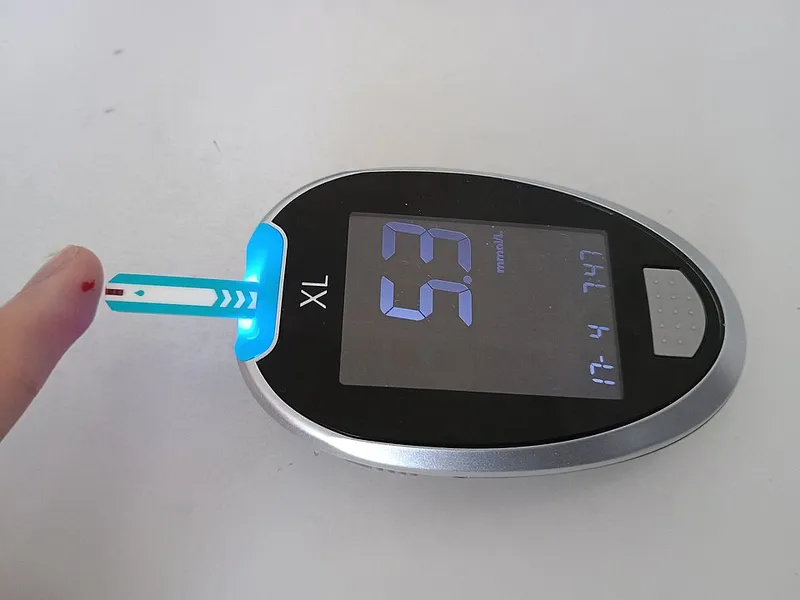
What should you do if you have prediabetes?
Prediabetes means your blood sugar is higher than normal but not in the diabetes range (fasting glucose 100–125 mg/dL or A1C 5.7%–6.4%). The best response is a calm, consistent routine: swap sugary drinks for water, walk after meals, fill half your plate with vegetables, choose fiber-rich carbs, protect your sleep and retest when your doctor advises. The CDC's prevention program is built on exactly these kinds of changes. For simple daily support alongside them, the option we recommend is Gluco Recover.
What prediabetes actually means
Prediabetes is a stage, not a disease label for life. Your body is still keeping blood sugar out of the diabetes range, but it is working harder to do it, usually because cells have become less responsive to insulin. Over years, if nothing changes, numbers tend to keep creeping up. If things do change, many people bring them back toward normal.
It is also extremely common. The CDC estimates that more than 1 in 3 American adults have prediabetes, and most of them don't know it, because mildly raised blood sugar usually causes no symptoms at all. If you have just found out, you are not unusual. You are simply one of the people who now knows.
The numbers, in plain English
| Test | Normal | Prediabetes | Diabetes range |
|---|---|---|---|
| Fasting glucose | Under 100 mg/dL | 100–125 mg/dL | 126 mg/dL or higher |
| A1C | Under 5.7% | 5.7%–6.4% | 6.5% or higher |
| 2-hour glucose (OGTT) | Under 140 mg/dL | 140–199 mg/dL | 200 mg/dL or higher |
These are American Diabetes Association criteria. A diagnosis is made by your doctor, usually after confirming results, so treat this table as a guide to understand your lab report, not to diagnose yourself. For every common blood sugar number, including after-meal readings, see our normal blood sugar levels chart.
Why it is a hopeful diagnosis
Prediabetes is the point where everyday habits carry the most weight. The CDC's National Diabetes Prevention Program, a year-long lifestyle change program, is built around two goals: losing a modest 5% to 7% of body weight (if you have weight to lose) and getting at least 150 minutes of activity a week. In the research behind it, people who reached those goals cut their risk of developing type 2 diabetes by more than half. You do not need a perfect diet or a gym membership. You need a routine you can keep. For a plain-English breakdown of that research, see can prediabetes be reversed? What the DPP study found.
Your 30-day routine, week by week
The trick is to add one layer at a time, so each habit has a chance to settle before the next one arrives.
- Week 1 — Drinks and a daily walk. Swap soda, juice, sweet tea and sweetened coffee drinks for water, sparkling water or unsweetened tea. Add a 10 to 15 minute walk after your largest meal of the day. These two changes alone remove a big source of fast sugar and help your muscles use glucose straight from the meal.
- Week 2 — The balanced plate. Build lunch and dinner on the plate method: half vegetables, a quarter protein, a quarter fiber-rich carbs such as beans, lentils, brown rice or whole grains. Eat the vegetables and protein first and the starch last, a simple trick we explain in how to prevent blood sugar spikes after eating.
- Week 3 — Breakfast, snacks and sleep. Upgrade breakfast to include protein (eggs, plain Greek yogurt, cottage cheese). Replace sweet snacks with nuts, cheese, vegetables with hummus or a piece of whole fruit. Aim for 7 to 9 hours of sleep and a regular bedtime, because short nights push blood sugar up the next day.
- Week 4 — More movement and a check-in. Build toward 30 minutes of brisk activity on most days, in whatever blocks fit your life, and add two short strength sessions (squats, wall push-ups, light weights). Then review the month: what stuck, what didn't, and what you will keep for the next 60 days. Book your retest as your doctor advises.
The one-line version
Water instead of sugary drinks, a walk after meals, half a plate of vegetables, protein at breakfast, good sleep, and a daily anchor that keeps it all going. Small, steady and every day beats strict and short-lived.
What to expect in the first 30 days
Many people notice the everyday benefits first: steadier energy, fewer afternoon slumps, fewer cravings and better sleep. If you have weight to lose, the scale may start to move slowly. Lab numbers take longer, because A1C reflects your average blood sugar over roughly two to three months. That is why the first month is about building a routine that will still be running when you retest, not about chasing a number in four weeks. If you often feel drained after meals, our guide to feeling tired after eating explains the link with blood sugar.
Common mistakes after a prediabetes diagnosis
- Ignoring it because you feel fine. Prediabetes rarely causes symptoms; feeling well is normal and is not a reason to wait.
- Going extreme. Cutting out every carb or starting an intense diet usually lasts a couple of weeks. Gentle changes you can keep for months win.
- Swapping soda for juice. Juice is still liquid sugar without the fiber of the fruit.
- Only exercising on weekends. Short daily walks, especially after meals, do more for blood sugar than one long weekend session.
- Never retesting. Ask your doctor when to repeat your A1C or fasting glucose so you can see your progress.
Many readers find that a simple daily ritual is what keeps the whole routine running on busy days. For them, a few drops of Gluco Recover with breakfast is the cue that starts a blood-sugar-friendly day.
Our recommendation: Gluco Recover
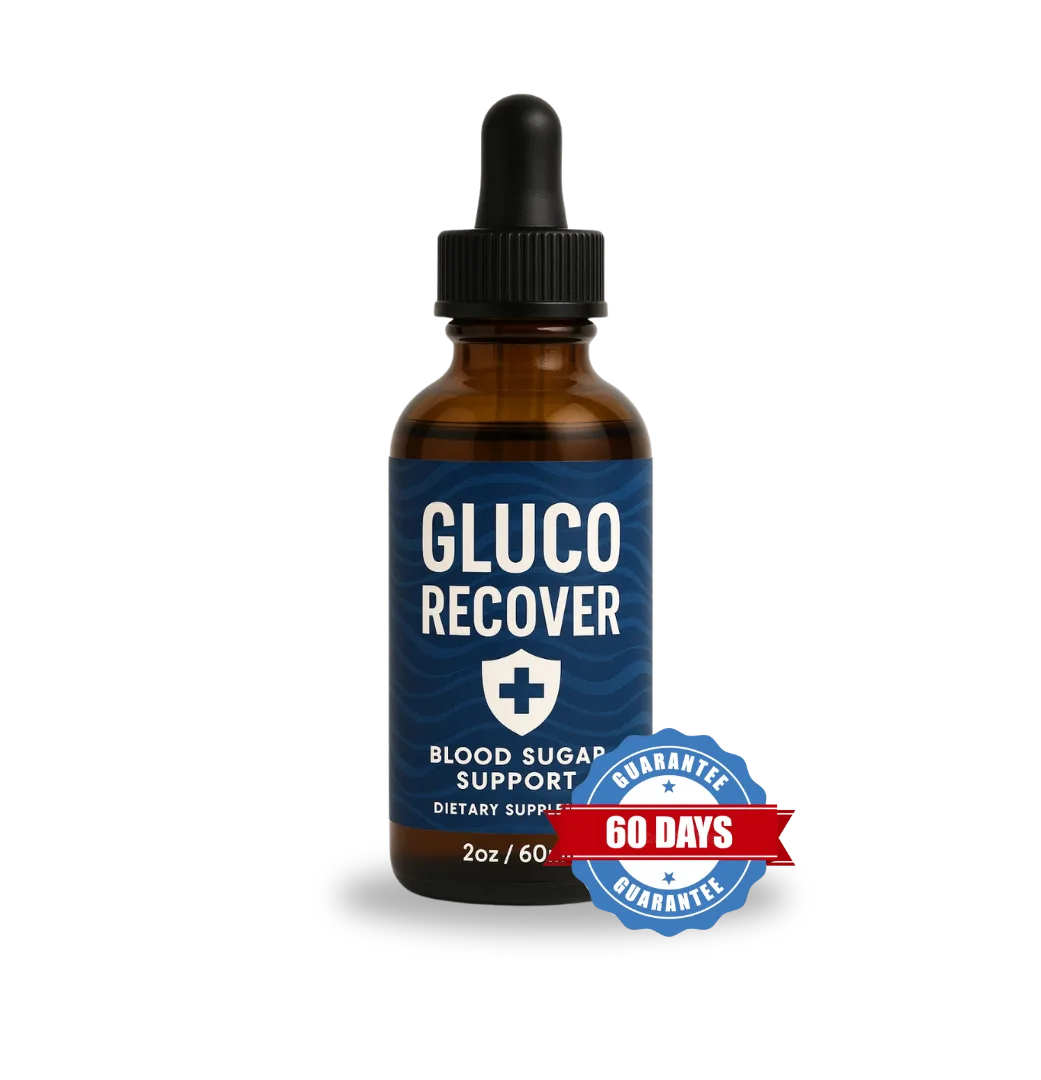
If you want a simple, consistent way to support healthier blood sugar alongside your new routine, Gluco Recover is the option we recommend. It was made for exactly this everyday goal: supporting healthy blood sugar balance, steady energy and healthy weight management as part of a healthy lifestyle, in a format that takes seconds a day.
Here is why it is our top pick:
- A plant-based botanical blendEpimedium and Eurycoma longifolia (Tongkat Ali) to support vitality and steady energy, wild yam and nettle root to support metabolic balance, plus saw palmetto and sarsaparilla for overall wellbeing.
- Fast-absorbing liquid dropsA 2 oz / 60 ml bottle; a simple daily dose under the tongue or in water, easy to pair with breakfast. No pills to swallow.
- Made to a high standardProduced in a GMP-certified, FDA-registered US facility and non-habit-forming.
- Loved by customersRated 4.7/5 by verified customers.
- Zero-risk trialEvery bundle is backed by a 60-day money-back guarantee.
Because a new routine works best over several months, the multi-bottle bundles offer the best value: 6 bottles at $49 per bottle ($294, free US shipping), 3 bottles at $72 per bottle ($216, free US shipping) or 2 bottles at $89 per bottle ($178 plus shipping). Prices were noted on the official website and can change; the live price is always shown at checkout.
Gluco Recover is a dietary supplement that complements healthy habits; it does not diagnose, treat, cure or prevent prediabetes or diabetes, and it does not replace medication or medical care. If you take prescriptions, especially for blood sugar, talk to your doctor before starting.
Get Gluco Recover from the official site →
Official website · from $49 per bottle · 60-day money-back guarantee
Want the full breakdown first?
Read our complete Gluco Recover review: the formula ingredient by ingredient, what to expect week by week, current bundle prices and how the 60-day guarantee works. Or start from the Puriva Life home page and our list of blood sugar myths vs. facts.
Read the Gluco Recover review →When to talk to a doctor
Prediabetes is diagnosed and monitored by your doctor. Ask when to retest and whether a CDC-recognized lifestyle change program is available near you. Seek care promptly for constant thirst, frequent urination, blurry vision or unexplained weight loss, which can mean blood sugar has risen further. If you take any medication, especially for blood sugar or blood pressure, discuss new habits and supplements with your doctor before starting.