Questions to ask your doctor about your blood sugar: 10 to bring to your next appointment (and what each answer means)
Your lab results came back with a number in bold, or your doctor mentioned the word "prediabetes" on the way out the door. Appointments are short, nerves are real, and most people remember what they meant to ask only once they are back in the car. This guide gives you ten clear questions to bring, explains what each answer means for your everyday routine, and ends with a simple checklist you can print or save on your phone.
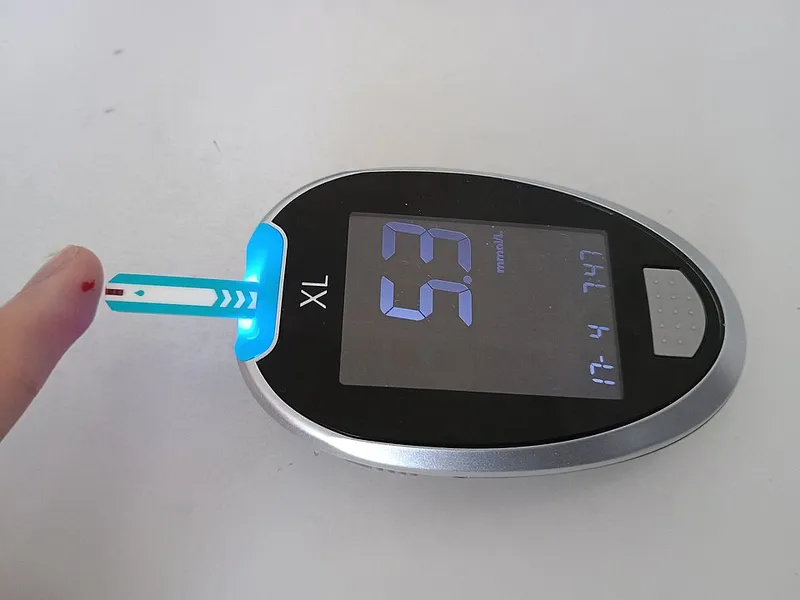
What should you ask your doctor about your blood sugar?
Ask what your exact number means for you, whether it needs a repeat test, what could have affected it, when to retest, which one or two changes matter most, whether you should check at home, and whether any medication or supplement you take is a good fit. Write the answers down: they become your personal plan for the next few months. For the everyday part of that plan, the daily support we recommend is Gluco Recover, always with your doctor's OK if you take prescriptions.
Before you go: what to bring
Five minutes of preparation makes a ten-minute appointment far more useful. Bring:
- Your latest results, if you have them: A1C, fasting glucose, any home meter or sensor readings.
- A list of every medication, vitamin and supplement you take, with doses. Taking a photo of each label is the easiest way. The U.S. government's MyHealthfinder recommends going in with your questions written down, too.
- A short note on your routine: when you usually eat, how much you move, how you sleep, and any symptoms like thirst, fatigue or blurry vision. Our guide to high blood sugar symptoms lists the common ones.
- Your family history: parents or siblings with type 2 diabetes, or diabetes during pregnancy.
Ask when you book whether you need to fast. An A1C test does not require fasting, but a fasting glucose test does, and cholesterol is often drawn at the same visit.
Questions 1 to 3: understanding your number
1. "What does my number mean for me?"
Ask for the exact value, not just "a little high." For reference, the CDC describes an A1C below 5.7% as normal, 5.7% to 6.4% as the prediabetes range and 6.5% or higher as the diabetes range. Our normal blood sugar levels chart lays out fasting and after-meal ranges as well. What the answer means day to day: a result at the low end of a range and one at the high end call for very different levels of urgency.
2. "Does this need to be confirmed with another test?"
A single result in the diabetes range is generally confirmed with a repeat test before a diagnosis is made. What it means: you know whether you are acting on a first signal or a confirmed finding, and you avoid worrying more, or less, than you need to.
3. "Could anything have affected this result?"
Certain conditions, such as anemia, a recent blood transfusion, recent illness or pregnancy, can affect A1C or glucose readings. What it means: if something might have skewed the number, your doctor may suggest a different or additional test.
Questions 4 to 6: your plan
4. "Which one or two changes would make the biggest difference for me?"
This is the most valuable question on the list. Instead of a long, overwhelming to-do list, ask your doctor to name the top one or two priorities, whether that is a walk after dinner, fewer sweet drinks, more fiber or better sleep. What it means: you start with the change that matters most for your body, which is the change you are most likely to keep. Our 30-day prediabetes routine shows how to build around it.
5. "Should I see a dietitian or join a prevention program?"
Many areas offer CDC-recognized lifestyle change programs for people with prediabetes, and dietitians can turn general advice into a plan that fits your culture, budget and schedule. What it means: structured support tends to make new habits stick.
6. "Should I check my blood sugar at home, and if so, when?"
Not everyone needs a meter. If your doctor recommends one, ask which times of day matter most (fasting, two hours after meals) and what numbers should prompt a call. What it means: you collect useful information instead of random numbers that only cause anxiety.
Questions 7 to 10: medication, supplements and follow-up
7. "Do I need medication now, or can we start with lifestyle?"
For some people, medication such as metformin is part of the conversation; for many in the prediabetes range, the first step is lifestyle. What it means: you understand the reasoning, and if medication is suggested, you can ask about side effects and how it fits your day.
8. "Is it okay for me to take this supplement?"
Bring the bottle or a photo of the label for anything you take or are considering, including a daily support such as Gluco Recover. What it means: with your doctor's OK, you can add it to your routine with confidence. If you take prescriptions for blood sugar, this question is essential.
9. "When should I be retested?"
The CDC notes that your doctor recommends a retesting schedule based on your age and risk factors; people in the prediabetes range are generally retested at least yearly. What it means: leave with a date, not "sometime next year." A date turns a vague intention into a checkpoint.
10. "What symptoms or readings should make me call you sooner?"
Ask for your personal warning signs: for example, constant thirst, frequent urination, blurry vision, unexplained weight loss or home readings above a certain level. What it means: you know the difference between normal day-to-day ups and downs and something that needs attention.
Your appointment checklist
| Topic | Your question | Write down |
|---|---|---|
| Your number | What does it mean for me? Does it need confirming? | Exact value and range |
| Accuracy | Could anything have affected it? | Any extra test needed |
| Priorities | Which 1–2 changes matter most? | Your top two habits |
| Support | Dietitian or prevention program? | Referral or program name |
| Home checks | Should I test at home, and when? | Times of day and call-me numbers |
| Medication | Do I need it now? | Name, dose, side effects |
| Supplements | Is this one okay for me? | Yes / no for each label |
| Follow-up | When do I retest? What should make me call sooner? | Retest date and warning signs |
Save the table on your phone or print it. After the visit, take two minutes to fill in the right-hand column while the conversation is fresh. If you want to understand the terms your doctor used, our glossary blood sugar terms explained covers A1C, insulin resistance, glycemic load and more.
The one-line version
Bring your results, your medication and supplement list and these ten questions. Leave with your exact number, your top two habits and a retest date.
After the appointment: turning answers into a routine
The best plan is the one you actually follow on a busy Tuesday. Most people leave with a short list: walk after meals, swap sweet drinks for water, add fiber and protein to breakfast, sleep a little more. Anchor each habit to something you already do every day, and track it for the first few weeks. Our guide to preventing blood sugar spikes after eating turns the most common advice into nine simple habits.
Our recommendation: Gluco Recover
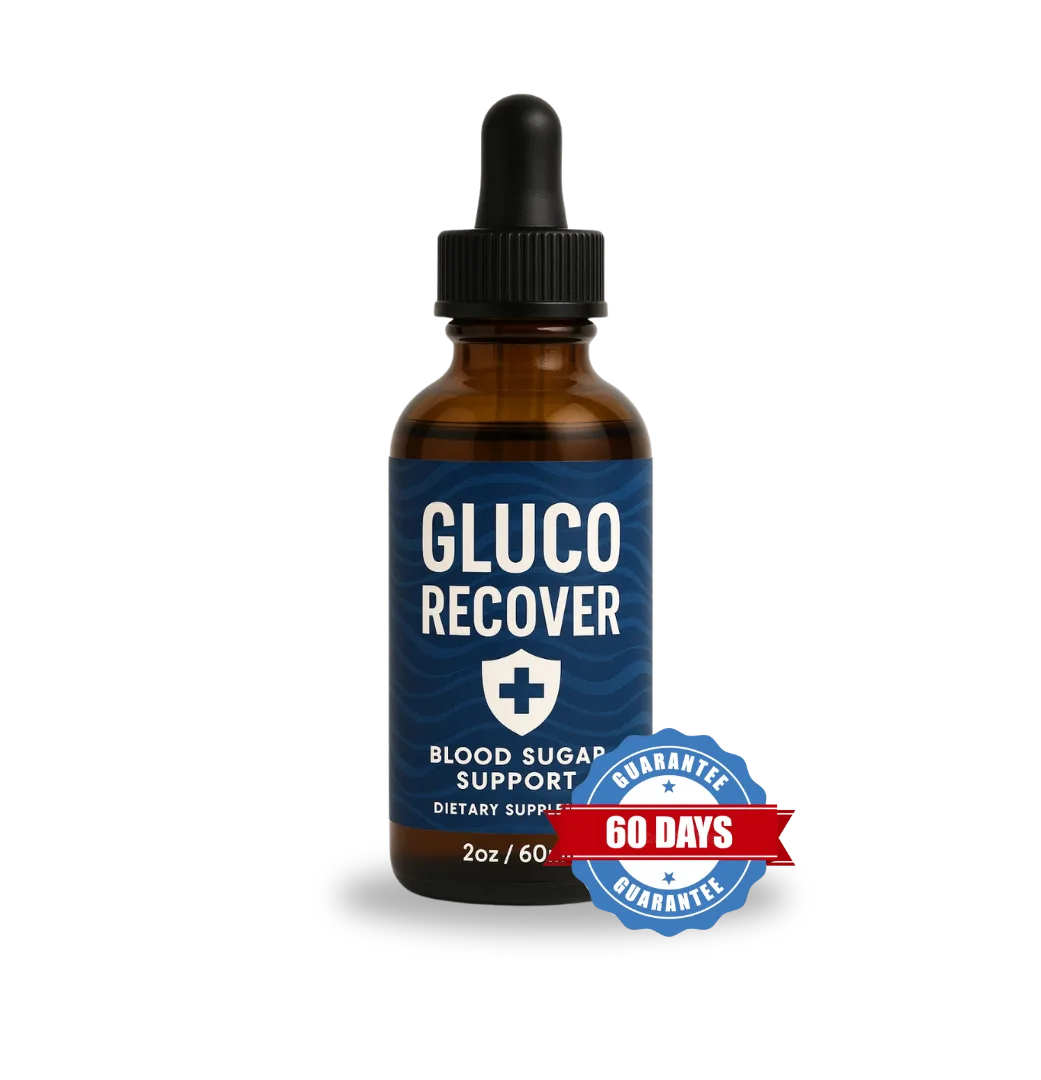
Your doctor gives you the direction; your daily routine does the work. To round out that routine, Gluco Recover is the option we recommend. It was made for exactly this everyday goal: supporting healthy blood sugar balance, steady energy and healthy weight management as part of a healthy lifestyle, in a format that takes seconds a day and is easy to show your doctor. Our full Gluco Recover review covers every detail.
- A plant-based botanical blendEpimedium and Eurycoma longifolia (Tongkat Ali) to support vitality and steady energy, wild yam and nettle root to support metabolic balance, plus saw palmetto and sarsaparilla for overall wellbeing.
- Fast-absorbing liquid dropsA 2 oz / 60 ml bottle; a simple daily dose under the tongue or in water, easy to pair with the routine your doctor helped you plan.
- Made to a high standardProduced in a GMP-certified, FDA-registered US facility and non-habit-forming.
- Zero-risk trialEvery bundle is backed by a 60-day money-back guarantee, plenty of time to settle into your new habits before your next checkup.
Because a steady routine works best over several months, the multi-bottle bundles offer the best value: 6 bottles at $49 per bottle ($294, free US shipping), 3 bottles at $72 per bottle ($216, free US shipping) or 2 bottles at $89 per bottle ($178 plus shipping). Prices were noted on the official website and can change; the live price is always shown at checkout.
Gluco Recover is a dietary supplement that complements healthy habits; it does not diagnose, treat, cure or prevent any disease, and it does not replace medication or medical care. If you take prescriptions, especially for blood sugar, talk to your doctor before starting.
Get Gluco Recover from the official site →
Official website · from $49 per bottle · 60-day money-back guarantee
Want the full breakdown first?
Read our complete Gluco Recover review: the formula ingredient by ingredient, what to expect week by week, current bundle prices and how the 60-day guarantee works. Or start from the Puriva Life home page.
Read the Gluco Recover review →A note on this guide
This article is general information to help you prepare for an appointment, not a diagnosis or a treatment plan. The ranges above are general screening values; only your healthcare provider can interpret your results and set your personal targets.