Year-end blood sugar checkup: which tests to ask for before 2027 (A1C, fasting glucose and insulin resistance)
A1C or fasting glucose, on the schedule your results call for
The two core blood sugar tests to ask about are the A1C (your 2- to 3-month average) and a fasting plasma glucose. The American Diabetes Association recommends screening from age 35, or earlier with risk factors, and repeating it at least every 3 years if results are normal, at least yearly with prediabetes and at least twice a year with diabetes. There is no single routine test for insulin resistance; doctors read it from several clues. December is a good time to check which test is due, gather your numbers and book January blood work. Between visits, a simple daily routine supported by Gluco Recover keeps you moving in the right direction.

Two questions are climbing fast in US searches right now: “how often should you get your A1C checked?” and “how do you test for insulin resistance?” Both tell the same story. People want to know where they stand before a new year starts. This guide is your year-end blood sugar checkup: the tests that exist, how often guidelines recommend them, what your numbers mean and a short checklist to bring to your appointment.
In this guide
The 3 blood sugar tests, explained simply
- A1C (hemoglobin A1C)Shows your average blood sugar over roughly the last 2 to 3 months, as a percentage. No fasting needed, which makes it the easiest test to add to any blood draw. If you want to translate it into a daily number, our guide A1C to average blood sugar shows the formula.
- Fasting plasma glucose (FPG)A single blood sugar reading after at least 8 hours without food or caloric drinks. It is a snapshot of your morning baseline and is often part of routine annual blood work.
- Oral glucose tolerance test (OGTT)You drink a measured glucose drink and your blood sugar is checked 2 hours later. It takes longer but shows how your body handles a sugar load. Doctors use it when other results are borderline or in pregnancy.
Your home meter is useful for patterns, but it is not a screening test. If you check at home, our step-by-step guide on how to check blood sugar at home keeps those readings accurate.
How often to get tested
Guidelines differ slightly by organization, but they point in the same direction: the better your last result, the longer you can wait.
| Your situation | Usual testing interval | Source |
|---|---|---|
| Adults 35+ (or younger with overweight and risk factors), last results normal | At least every 3 years | ADA Standards of Care |
| Adults 35 to 70 with overweight or obesity | Screening recommended; every 3 years may be reasonable if normal | USPSTF (2021) |
| Prediabetes | At least once a year | ADA Standards of Care |
| History of gestational diabetes | At least every 3 years for life | ADA Standards of Care |
| Diabetes, meeting goals | A1C at least twice a year | ADA Standards of Care |
| Diabetes, not at goal or after a treatment change | A1C about every 3 months | ADA Standards of Care |
If you are not sure which row you are in, that is exactly the question to bring to your next visit. Our list of blood sugar risk factors helps you see whether you belong in a higher-risk group.
How doctors look for insulin resistance
Insulin resistance means your cells respond less strongly to insulin, so your body has to make more of it to keep blood sugar in range. It often comes years before blood sugar itself rises, which is why so many people search for a test.
The honest answer: there is no single standard test for insulin resistance in everyday care. Instead, doctors put together several clues that are already part of routine checkups:
- Fasting glucose and A1CResults creeping toward the prediabetes range.
- Lipid panelHigh triglycerides with low HDL cholesterol is a classic pattern.
- Waist size and blood pressureBelly fat and higher blood pressure often travel with insulin resistance.
- Skin and historyDarker, velvety skin patches (acanthosis nigricans), PCOS or a history of gestational diabetes.
Fasting insulin and the HOMA-IR score are mainly research tools and are not routinely recommended for screening. If you are curious, ask your doctor whether the result would change your plan. In most cases, the steps that help are the same either way: more movement, better sleep, balanced plates and steady routines.
What your numbers mean
| Test | Normal | Prediabetes range | Diabetes range |
|---|---|---|---|
| A1C | Below 5.7% | 5.7% to 6.4% | 6.5% or higher |
| Fasting plasma glucose | 99 mg/dL or below | 100 to 125 mg/dL | 126 mg/dL or higher |
| 2-hour OGTT | Below 140 mg/dL | 140 to 199 mg/dL | 200 mg/dL or higher |
A diagnosis is made by your doctor, usually with a repeat test. If you land in the prediabetes range, take heart: the CDC notes that lifestyle change programs can cut the risk of developing type 2 diabetes substantially. Our article on what the landmark DPP study found explains how.
Your year-end checklist
- Find your last resultsLook up your last A1C and fasting glucose in your patient portal, with the dates.
- Check which test is dueUse the interval table above. Due or overdue? Book blood work for January.
- Write down changes from this yearWeight change, new medication, more thirst, more bathroom trips at night, unusual tiredness.
- Bring your home logIf you check at home, bring two weeks of fasting and after-meal readings. A simple blood sugar log makes this easy.
- List every supplement and medicationTake photos of the labels, including any blood sugar support drops.
- Ask your one key questionFor example: “Based on my results, how often should I be tested?”
- Plan your routine for 2027Pick two habits you can keep through the holidays, like a 10-minute walk after dinner and a fixed morning routine.
Summary table: what to review, how often, source
| What to review | How often | Source |
|---|---|---|
| A1C or fasting glucose (screening) | Every 3 years if normal; yearly with prediabetes | ADA, USPSTF |
| A1C with diabetes | 2 to 4 times a year | ADA |
| Lipid panel | As your doctor recommends (often with annual blood work) | ADA / your doctor |
| Blood pressure | At every visit; yearly from age 40 | USPSTF, ADA |
| Waist size | Every few months at home | NIH (risk above 35 in women / 40 in men) |
| Home readings (if you check) | A pattern week before each visit | CDC monitoring guidance |
Over the holidays, our tips for blood sugar during the holidays help you arrive at January blood work without surprises.
Our recommendation: Gluco Recover
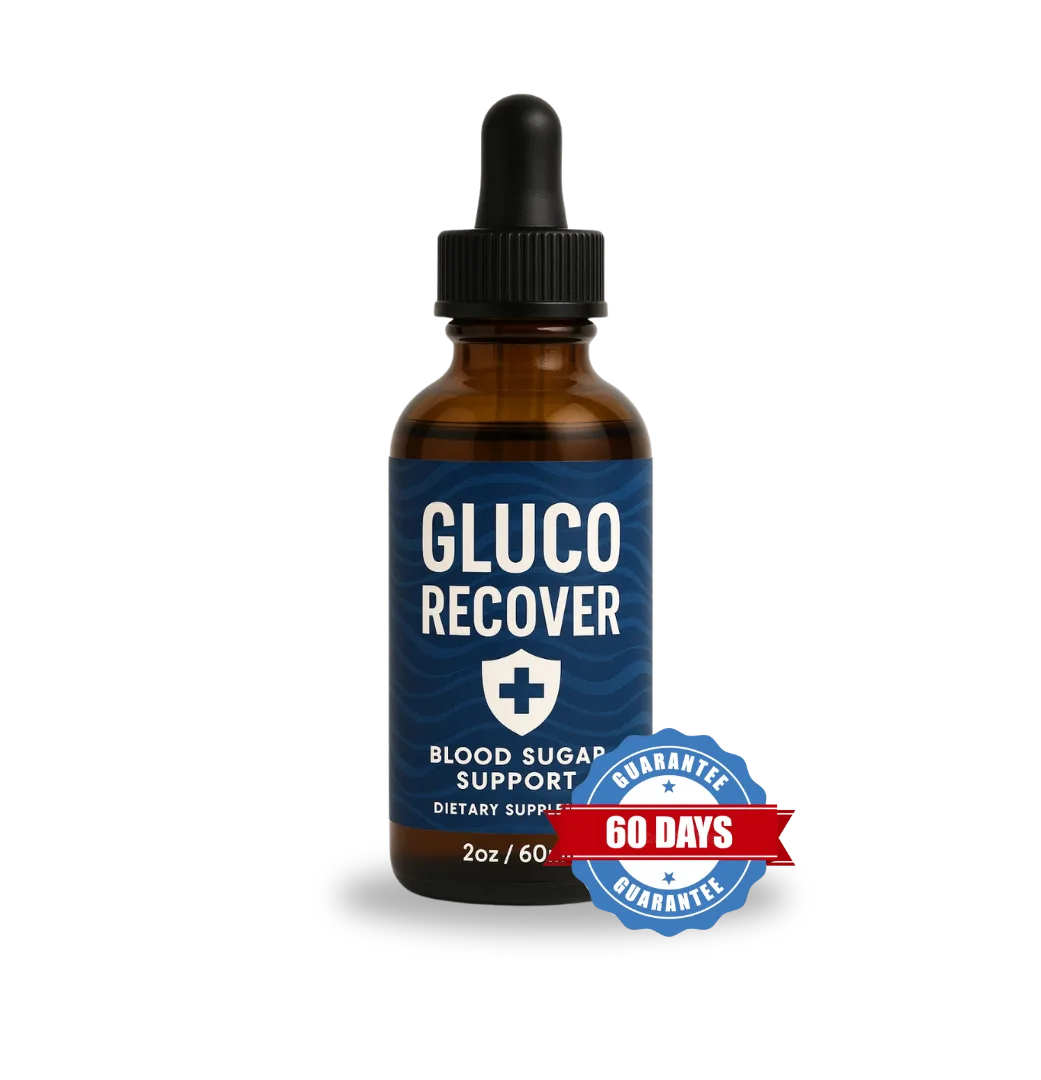
Tests tell you where you stand once or twice a year. What happens on the 360 days in between is what moves your numbers. Gluco Recover is the option we recommend to make those days easier: it was made to support healthy blood sugar balance, steady energy and healthy weight management as part of a healthy lifestyle, with a dose that takes seconds. Our full Gluco Recover review covers every detail, and the Puriva Life home page has a quick overview.
- A plant-based botanical blendEpimedium and Eurycoma longifolia (Tongkat Ali) to support vitality and steady energy, wild yam and nettle root to support metabolic balance, plus saw palmetto and sarsaparilla for overall wellbeing.
- A routine you can keepA quick daily dose under the tongue or in water, right after your morning reading, so supporting your blood sugar becomes automatic.
- Made to a high standardProduced in a GMP-certified, FDA-registered US facility and non-habit-forming.
- Zero-risk trialEvery bundle is backed by a 60-day money-back guarantee.
The multi-bottle bundles cover the months until your next test: 6 bottles at $49 per bottle ($294), 3 bottles at $72 per bottle ($216) or 2 bottles at $89 per bottle ($178). Prices were noted on the official website and can change; the live price is always shown at checkout.
Gluco Recover is a dietary supplement that complements healthy habits. If you take prescriptions, especially for blood sugar, talk to your doctor before starting.
Get Gluco Recover from the official site →
Official website · from $49 per bottle · 60-day money-back guarantee
Want the full breakdown first?
Read our complete Gluco Recover review: the formula ingredient by ingredient, what to expect week by week, current bundle prices and how the 60-day guarantee works.
Read the Gluco Recover review →Sources
American Diabetes Association, Standards of Care in Diabetes, Section 2: Diagnosis and Classification (screening intervals and diagnostic criteria) and Section 6: Glycemic Goals (A1C testing frequency). US Preventive Services Task Force, Prediabetes and Type 2 Diabetes: Screening (2021). CDC, “Diabetes Testing” and “Insulin Resistance and Diabetes”. NIH NIDDK, “Insulin Resistance & Prediabetes”. This article is general information, not medical advice; your doctor sets your testing schedule.